
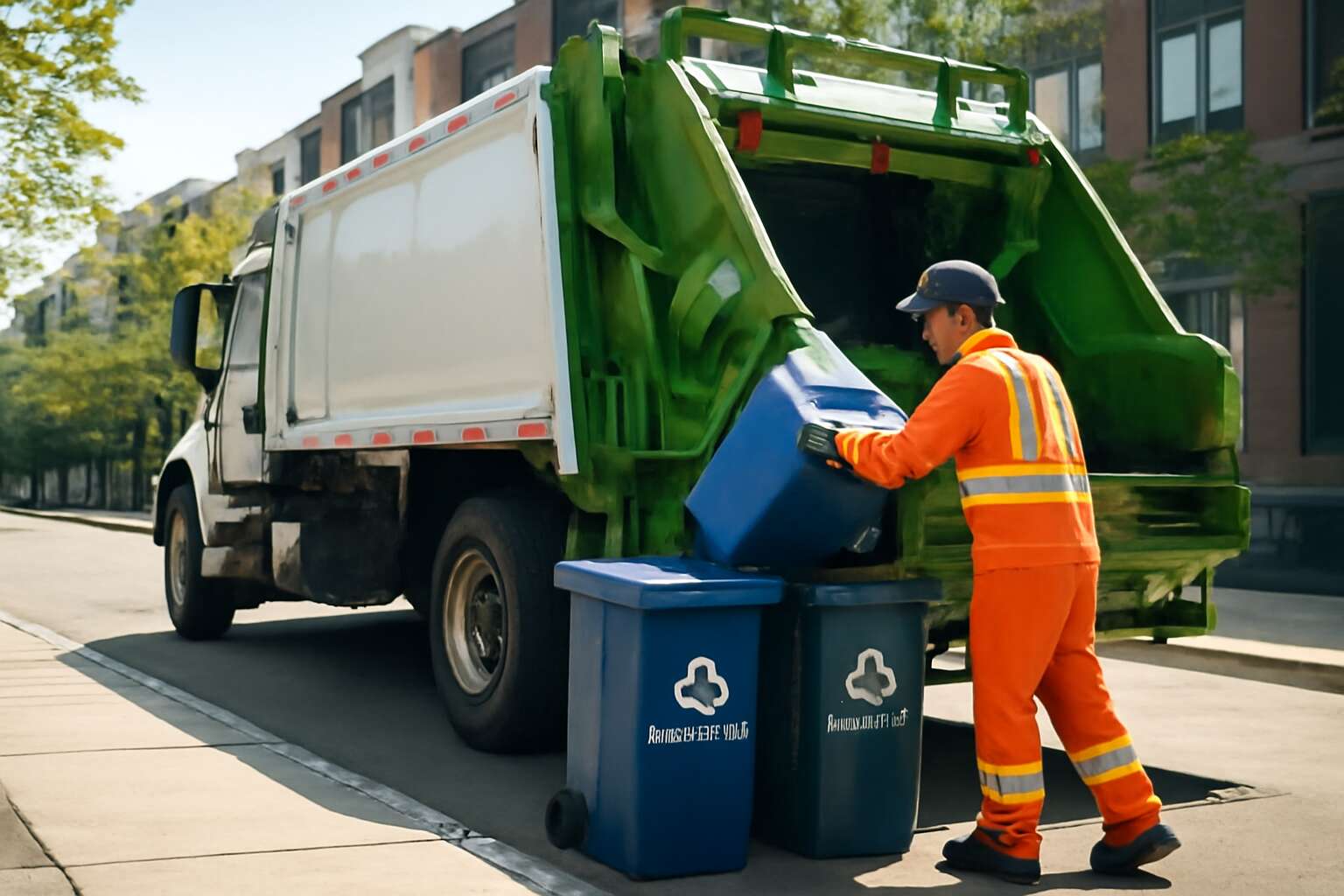
Waste Management Imagery Strategy
Global Trends in Waste-Related Imagery
Across urban Africa, waste management imagery has moved from documentary to dialogue. A recent industry pulse suggests waste management imagery boosts engagement by 38% when visuals fuse dignity with action rather than display heaps. The global trends echo this shift, favoring narratives that reveal the unseen choreography of removal!
In South Africa, the best waste-related imagery foregrounds workers, routes, and recycling streams with respectful candor. I’ve watched campaigns pair stark contrasts—sunlit trucks against shadowed alleys—creating motion and responsibility. These waste removal images become living case studies in transparency, turning clutter into clarity and accountability.
- Authentic labor representation that preserves dignity
- Process-driven framing from collection to treatment
- Color and light to signal safety and efficiency
How Visuals Drive Awareness in Waste Management
On crowded feeds, a single frame can rewrite perception. A worker’s steady gaze, a dawn-glinted truck, a route stitched with intent—these moments elevate waste management imagery from routine to resonant. These images—waste removal images—turn motion into meaning and invite viewers to read a city’s care in the choreography of daily duty.
Around South Africa, campaigns foreground labor with dignity, trace routes with honesty, and reveal recycling streams with candor. A process-driven approach binds collection to treatment, letting the audience trace each handoff—the unseen choreography that keeps cities clean and communities confident.
Here are the elements that make visuals work in practice:
- Authentic labor representation that preserves dignity
- Process-driven framing from collection to treatment
- Color and light to signal safety and efficiency
In South Africa, these images become living narratives—transparent, accountable, and human—turning clutter into clarity and inviting stakeholders to walk the route from curb to continual reuse.
Alt Text, Accessibility, and Inclusive Imagery
Images decide futures in three seconds—it’s the hush of a dawn route, the steel gleam of a truck, the patient weight of a worker’s gaze. In South Africa, the Waste Management Imagery Strategy treats visuals as records of trust, not decoration. Alt text and accessibility become the quiet backbone, turning a fleeting frame into a lasting promise of responsibility. I have watched such frames linger where it matters!
Alt Text, Accessibility, and Inclusive Imagery should be woven into every shoot. Alt text must tell the scene, action, and purpose, so assistive tech users can walk the curb with you. Use high contrast, readable type, and concise captions. Let ‘waste removal images’ anchor the narrative in SEO while honoring screen readers.
- Alt text describes action and setting, avoiding sensationalism.
- Inclusive casting that reflects South Africa’s diverse communities.
- Captions build context from curb to reuse, reinforcing accountability.
Ethical Considerations in Site Photography
Three seconds decide a frame’s fate—and in South Africa’s landscapes of waste, those seconds bear a quiet oath. “Truth outlasts the moment,” a veteran photographer reminds us, and our site photography must respect that truth even as it glows with glamour!
Ethical considerations begin with dignity and consent, especially on active sites where workers and communities live and breathe the rhythm of daily life. We seek consent, anonymize faces when needed, and avoid sensational framing that reduces people to caricatures. The language you see in waste removal images should reflect restraint, honesty, and accountability; visuals must tell a respectful story of stewardship.
- Privacy and consent as a guiding principle
- Dignified, diverse representation
- Non-sensational storytelling that preserves context
- Careful framing that links actions to outcomes
- Minimizing disruption to communities and environments
In South Africa, imagery becomes trust—frame by frame, waste removal images become a covenant between field and future.
SEO Metrics to Track for Image-Heavy Waste Content
Every frame on a waste site holds a choice: to inform, to reassure, or to move a reader to action. In the realm of waste removal images, a sharp imagery strategy becomes a map from impression to impact. A frame can outlast the moment; a veteran photographer reminds us that truth endures. For South Africa’s landscapes of waste, visuals must educate without sensationalism, inviting trust while they glow with responsible storytelling.
To measure that glow, track these metrics for image-heavy waste content:
- Load speed and optimization: fast, efficient visuals on mobile networks
- Alt text coverage and descriptive captions to improve accessibility
- Image sitemaps and structured data to boost discoverability
- Engagement signals: time on page, scroll depth, and image-driven clicks
- Accessibility checks: contrast, alt text reliability, and keyboard navigation
In South Africa’s digital landscape, these metrics turn imagery into trust—frame by frame, waste removal images connect field and future.
Types of Waste Management Imagery
Residential Waste Collection Shots
A quiet morning in a South African suburb reveals the real rhythm of waste: “Waste speaks louder than slogans,” a veteran collector told me. I’ve walked dusty lanes with a camera in hand, and I’ve seen how a single bag carries a family’s routine, hopes, and stubborn resilience.
For residential waste collection shots, the imagery runs from gritty to hopeful: dawn curbside pickups along quiet streets, close-ups of bin lids clinking shut, and practiced hands tying bags before the truck grinds to life. These waste removal images carry dignity and everyday honesty into our feeds.
Consider these common silhouettes:
- Dawn curbside collection in quiet suburbs
- Close-ups of hands lifting bin lids and tying bags
- Wide shots of trucks threading through rural lanes
Industrial Waste Handling and Disposal Photos
Industrial facilities churn quietly at dawn; the machinery hums as waste streams are channeled, sorted, and contained. Industrial waste handling and disposal photos capture the choreography—the steel grates, the forklifts, the drums lined like sentinels. In South Africa’s growing footprint, these images do more than illustrate process; they tell a story of discipline, risk, and responsibility. These waste removal images bridge policy and practice with a human cadence, inviting viewers to see the labor behind every ton moved.
- Wide shots of industrial sites showing bins and conveyors in motion
- Close-ups of labels, PPE, and containment drums
- Dynamic scenes of shredders or balers subduing material into orderly streams
These visuals help stakeholders understand scale, safety, and stewardship within South Africa’s waste management landscape, turning routine operations into a narrative of accountability.
Recycling and Sorting Facility Images
Capturing a recycling and sorting facility in action is like freezing a heartbeat—belts ripple, operators coordinate, and mislabeled streams get sorted before they become statistics. In South Africa’s bustling waste landscape, these images do more than illustrate process; they narrate discipline, teamwork, and accountability. The right frame can turn a blurry conveyor into a clear story of stewardship, where every bale and bottle has purpose and traceability. These waste removal images do more than document operation—they communicate responsibility!
- Conveyor belts and tipping bays in motion
- Close-ups of labels, PPE, and containment drums
- Sorting line interactions, balers, and optical sorters
- Close looks at recyclable streams—glass, paper, and plastic
Used across investor decks, annual reports, and digital galleries, these images help stakeholders grasp scale, safety, and stewardship within the waste management ecosystem. They invite viewers to see the choreography behind every kilogram processed and remind audiences that policy comes to life only when people and plants move in concert.
Bulky Waste Cleanup and Haulage Scenes
In South Africa, bulky waste cleanup and haulage scenes dominate curbside mornings, and a single frame can reveal a city’s discipline—hundreds of tonnes moved, one frame at a time. These waste removal images prove you cannot rush a clean street—each crane, strap, and truck bed narrates careful precision.
From oversized sofas to broken appliances, the imagery captures the choreography of loaders, drivers, and municipal crews.
- Bulky items staged on driveways or sidewalks
- Rigging cranes and winches lifting heavy loads
- Haulage scenes that trace routes through urban corridors
- On-site cleanups that reveal attention to spillage and safety
Choose images that celebrate PPE, livery, and site signage; these fine details lend credibility to the work, turning street-level effort into a shared vow of accountability.
Landfill Operations and Processing Visuals
Landfill operations are choreography in steel and dust. In South Africa, landfills move thousands of tonnes daily, and a single frame reveals that tempo—tipping bays opening, trucks lining up, and compactors biting into waste!
- Tipping bays and trucks in a disciplined line
- Cranes, hydraulic arms, and wheel loaders at work
- Gas capture and leachate systems in action
- Sorting belts where recyclables enter the line
Processing visuals extend the story: balers compress waste, compost stacks shed heat and moisture, and waste-to-energy plants glow in the distance. These waste removal images capture the sequence from intake to stabilization, with prominent site signage and safety practices lending credibility.
E-Waste and Hazardous Materials Imagery
Global e-waste is projected to reach 74 million tonnes by 2030, and in South Africa the demand for responsible disposal grows with every discarded device. In waste management imagery, e-waste and hazardous materials visuals offer a stark lens into discarded tech. These waste removal images capture the hush before the crew steps in: cables, circuit boards, and battery packs under clinical light.
- E-waste imagery: shattered screens, motherboard mosaics, and reclaimed copper coils.
- Hazardous materials imagery: sealed drums, hazmat suits, and spill containment in action.
- Storage and transfer visuals: palletized crates and labeled containment bins that communicate risk and order.
- Cleanup scenes: neutral tones, mops and absorbents, emphasizing rigorous safety protocols.
Used thoughtfully, these visuals blend fascination with responsibility, inviting viewers to look beyond the surface of waste streams. Waste removal images in campaigns illuminate processes, standards, and the quiet urgency of safe handling in South Africa’s diverse environments.
Optimizing Waste Imagery for Search Engines
Keyword Strategy for Image Alt Text and File Names
In the digital ledger, a single image can outlast a paragraph and glow with truth. Such is the magic of imagery when it arrives with intention, turning curiosity into memory and metrics into momentum.
For image alt text and file names, descriptive clarity is the map and context the compass. Describe the scene, the equipment, and the action in clean language. Naturally include the phrase waste removal images to cue search engines and align with reader intent.
As for audiences in South Africa, accessibility and speed matter, so keep wording simple yet evocative, and let imagery illustrate responsible waste management without jargon.
Captions, Accessibility, and User Intent
A single frame can outlast a paragraph, and in our busy feeds it becomes momentum. In South Africa, images that connect fast win trust and action. For waste removal images, captions describe the scene, the equipment, and the action in clean language that readers can picture instantly.
To frame meaning without clutter, add context through concise language and inclusive imagery. Consider these principles:
- Describe the scene, the gear, and the workflow with clear, evocative nouns
- Maintain a human scale and diverse settings that reflect everyday life
- Ensure captions align with reader intent and search queries
Accessibility matters as speed matters; simple wording, legible typography, and screen-reader friendly structure keep information flowing. These waste removal images become ambassadors for responsible waste management, weaving accountability into every glance and helping communities engage with care.
Image Sitemaps and Page Load Performance
Speed is the first impression in our crowded feeds; Google reports that 53% of mobile visits are abandoned if pages take longer than 3 seconds. When we present waste removal images to South African readers, the goal is a swift, cinematic reveal—the kind that invites trust before a single caption is read.
Image sitemaps are the mapmakers of this expedition. Tag each image with precise locations, captions, and licensing, and feed them to search engine crawlers so these visuals surface in the right queries. Pair this with lean page weight, responsive imagery, and lazy loading to keep the journey breezy for every device.
- Image sitemaps with accurate loc, caption, and rights data
- Compress files and use modern formats to reduce load
- Enable lazy loading and a fast CDN for above-the-fold speed
Contextual Relevance: Aligning Images with On-Page Content
Three seconds is the line in our fast-forward feeds, and 53% of mobile visits abandon ship if pages linger. For South Africans, speed isn’t a nicety—it’s a necessity. A well-timed image can build trust faster than a caption can blink, provided it’s primed to load on any device.
- Ensure each image matches the page topic and user intent
- Craft captions that echo the article’s voice and local context
Optimizing contextual relevance means aligning waste removal images with on-page topics: pair each image with the surrounding copy, and let alt text, captions, and file names echo the reader’s intent. When you align these visuals with on-page topics, they become proof, not flotsam, guiding readers and signaling relevance to search engines.
Speed, clarity, trust—optimized visuals make that trio work for South Africa’s audiences.
Thumbnails and CTR Optimization
Three seconds—it’s the difference between trust and drift! Studies show 53% of mobile visitors abandon pages that lag beyond that blink, and in South Africa speed isn’t a nicety—it’s a necessity. Waste removal images carry more weight than captions, serving as the first handshake with your content.
Thumbnails should align with the article’s topic and user intent, echoing the surrounding copy. I watch the right waste removal images set the tone, guiding eyes and boosting natural curiosity without shouting.
The journey from search to click is a micro-drama; a well-framed thumbnail signals relevance to search engines and readers alike. In SA, this means considering local contexts—framed trucks, recycling hubs, and community scenes that feel immediate and real.
Respect speed, clarity, and context, and the visuals become proof rather than flotsam.
Schema Markup and Rich Results for Images
Three seconds decide whether a visitor lingers or wanders away. In South Africa, that moment is magnified—waste removal images become the first omen of credibility, not mere decoration. A single, well-framed photo can turn a murky query into a clear, almost tactile impression.
Schema markup for images—ImageObject—gives search engines a map to your visuals. For waste removal images, anchor contentUrl, description, name, uploadDate, width, height, and keywords to a robust json-ld block so the thumbnail speaks before the page does.
- contentUrl
- description
- name
- uploadDate
- width
- height
- keywords
Rich results bloom when metadata aligns with on-page context: descriptions that respect local scenery—framed trucks, recycling hubs, community scenes—turning a visual into signal. Waste removal images then travel farther, carrying a quiet narrative into search results and feeds.
And all of it rewards patience, attention, and a little nocturnal wisdom.
Ethics, Privacy, and Licensing in Waste Imagery
Dignified Representation of People in Waste Settings
In the realm of waste removal images, a sharp stat cuts through the grime: 82% of viewers say dignity matters as much as clarity. Ethical visuals demand honesty, respect, and depictions of workers that reflect reality—no trashy punchlines, just real people doing real work.
- Consent and representation rights for anyone shown.
- Privacy: anonymize faces and avoid sensitive details.
- Licensing: secure permissions for all brand marks and locations.
In South Africa, the balance is especially delicate as informal waste workers, PPE standards, and safety realities intersect with image rights. Use model releases, respect unions, and verify licenses to protect everyone from misrepresentation.
Privacy and Consent Considerations in Public Waste Scenes
Ethics on the edge of the lens shape how audiences interpret waste removal images. In South Africa’s mixed economy of formal and informal work, honesty matters more than punchlines: dignified, non-exploitative portrayals respect workers who handle daily debris with skill and resilience.
Privacy matters as much as clarity. Always obtain consent, anonymize faces, and avoid exposing sensitive details or misrepresenting a community. Public waste scenes demand careful framing, especially when PPE, unions, and safety realities intersect with image rights on the ground.
Licensing safeguards all stakeholders and prevents misrepresentation. To safeguard all stakeholders, consider these licensing and rights aspects:
- Model releases and consent considerations
- Anonymization of faces and sensitive identifiers
- Brand marks and location clearance permissions
- Union engagement and site license verification
Copyright, Licensing, and Usage Rights for Stock vs. Original Photos
“Dignity isn’t optional; it filters every frame,” a veteran waste worker says, and the lens, like a patient specter, watches that truth. In South Africa’s mixed economy of formal and informal work, ethics should guide every shot of waste removal images. Privacy and consent govern what we publish, preserving dignity while staying truthful. Stock photos can misrepresent realities or safety practices; licensing and usage rights must tighten when PPE, unions, and on-site hazards intersect with image rights.
To safeguard all stakeholders, consider these licensing essentials:
- Model releases and consent considerations
- Anonymization of faces and sensitive identifiers
- Brand marks and location clearance permissions
- Union engagement and site license verification
Done right, these steps protect people, brands, and the integrity of waste imagery.
Safety Compliance and Hazardous Environments Visuals
In a landscape where dust and risk coexist, ethics are not optional; they are the lens through which waste removal images are judged. In South Africa’s mixed economy, consent and dignity must guide every frame!
Privacy governs publication: faces blur, identifiers vanish, and on-site branding remains subordinate to the story that needs telling. When PPE, unions, or hazardous operations appear, the test is balance—the truth tempered by respect.
- Integrity in portrayal
- Respect for workers and communities
- Transparency with the audience
Licensing considerations stay essential as visuals travel from site to screen, ensuring that risk, reputation, and rights remain aligned across audiences.
Anonymization and Data Protection in Image Metadata
The lens doesn’t merely record; it negotiates trust. In South Africa’s diverse communities, ethics are the compass we use to judge waste removal images, guiding consent, dignity, and responsible storytelling.
Prudence extends to image metadata: anonymization of faces, removal of identifiers, and scrubbed GPS data ensure privacy governs publication. On-site branding is tempered by the story that needs telling, and licensing rights travel with care as visuals move from site to screen.
Three considerations anchor responsible visuals:
- Integrity with workers and communities
- Transparency about how images are used
- Respectful representation that avoids sensationalism
When we speak of waste removal images, the invisible work of anonymization in metadata and the quiet discipline of consent keep the frame trustworthy and compliant.



0 Comments