
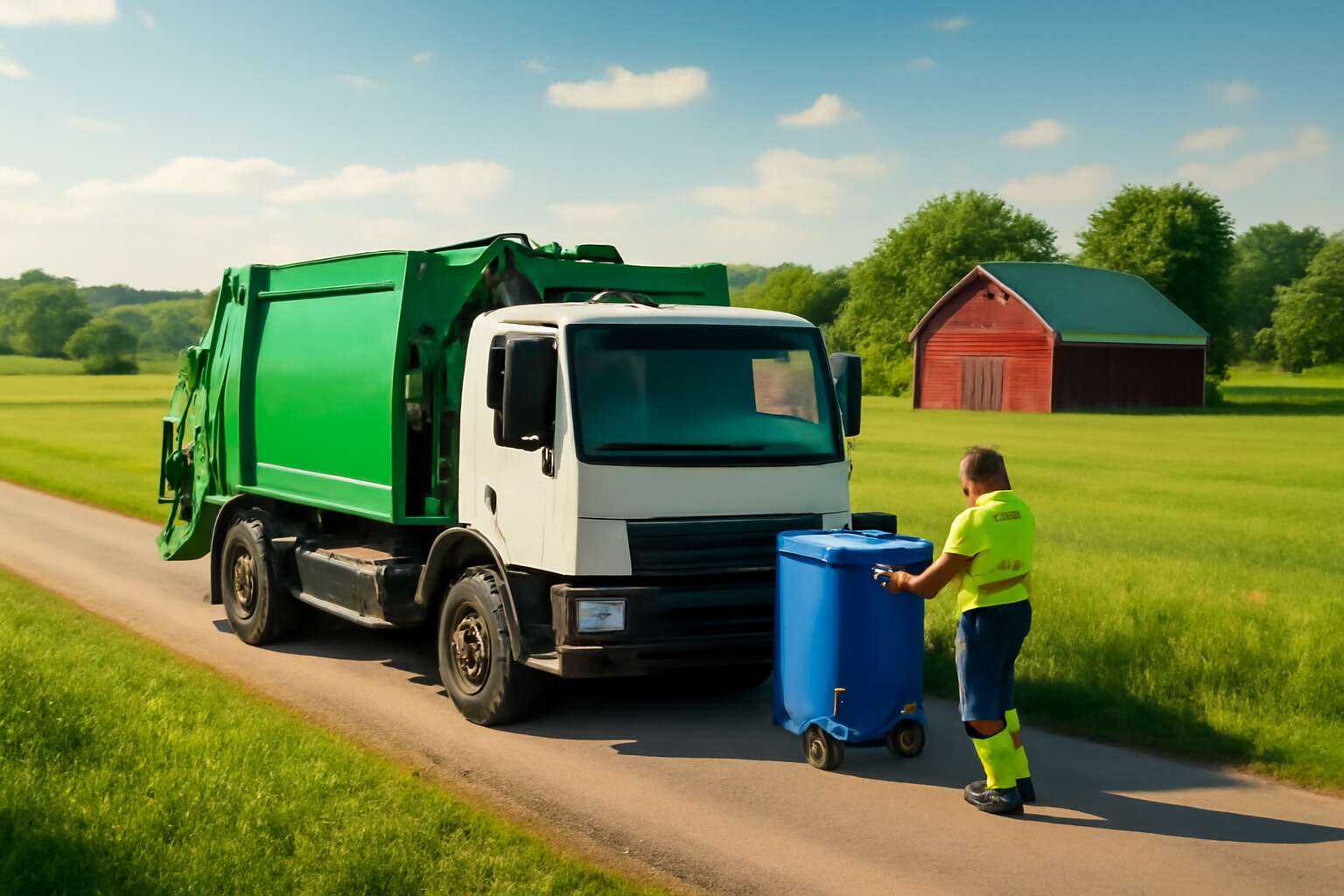
Rural Waste Management: SEO-Driven Outline for Content Marketing
Community-based waste collection models
Two-thirds of rural households in South Africa lack formal waste collection, a quiet crisis that clogs dusty lanes and riverbeds with discarded plastic. The patterns are clear: waste removal in rural areas becomes a daily vow, a small but stubborn act of care and accountability!
A SEO-driven outline for content marketing that speaks to communities first emerges in rural waste management. Centering local voices yields content about community-based waste collection models that feels lived, not imposed.
- local drop-off points that are easy to access
- partnerships with schools and churches to raise awareness
- transparent reporting on waste diversion and impact
This outline uses storytelling, data, and local credibility to attract partners.
On-site waste handling and treatment options
On distant plains in South Africa where dusk clings to land, waste removal in rural areas becomes a vow whispered at twilight. ‘Waste speaks when left to fester,’ an elder once said, and listening is the first act of stewardship. The burden isn’t just distance but time—every farm gate chipped by neglect hints at lost hours and broken cycles.
On-site waste handling and treatment options offer a different horizon: turn waste into soil, energy, or compacted space. A few approaches, chosen with care, keep the valley clear without chasing crews down dusty lanes:
- Composting of organic waste into nutrient-rich soil
- Anaerobic digestion to capture methane and generate heat or electricity
- Small-scale waste compactors to reduce volume and odor
These locally rooted choices forge credibility: residents see results, partners hear the land, and the narrative of waste removal in rural areas becomes a story of resilience rather than a routine burden.
Infrastructure and logistics for remote areas
“Time is waste’s cruelest ally,” a regional planner in the Karoo once murmured. The true distance in waste management isn’t measured in kilometres but in the minutes skipped at every farm gate. Rural waste management hinges on infrastructure built for remoteness and respect for the land.
Robust rural logistics hinge on a few practical pillars that keep distant communities connected to the grid of service and care. In other words, the choreography must respect harvests, gates, and the occasional goat.
- Efficient last-mile route planning that respects seasonal farming cycles
- Strategic transfer hubs near agricultural corridors to trim unnecessary travel
- Local partnerships with co-ops to steward drop-off points and data sharing
This is how waste removal in rural areas becomes more than policy—it’s a partnership of people and place.
Education, outreach, and community engagement
“Time is waste’s cruelest ally,” a Karoo planner murmured, and it lands like a bolt in the field. I’ve seen a majority of rural households report gaps in waste collection during peak seasons, turning quiet farms into quiet archives of debris and hope.
In this context, education, outreach, and community engagement become the lifelines of waste removal in rural areas. Stories, not statutes, move neighbors to share drop-off points, track progress, and hold comfort and accountability in the same hand.
- Community education aligned with harvest cycles
- Co-op partnerships for shared drop-off points
- Open data sharing to build trust and transparency
The result is not merely compliance; it’s a practice where place and people refuse to abandon one another. By weaving human-centered narratives into the workflow, we strengthen the resilience of this rural program and invite readers into the process.

0 Comments