
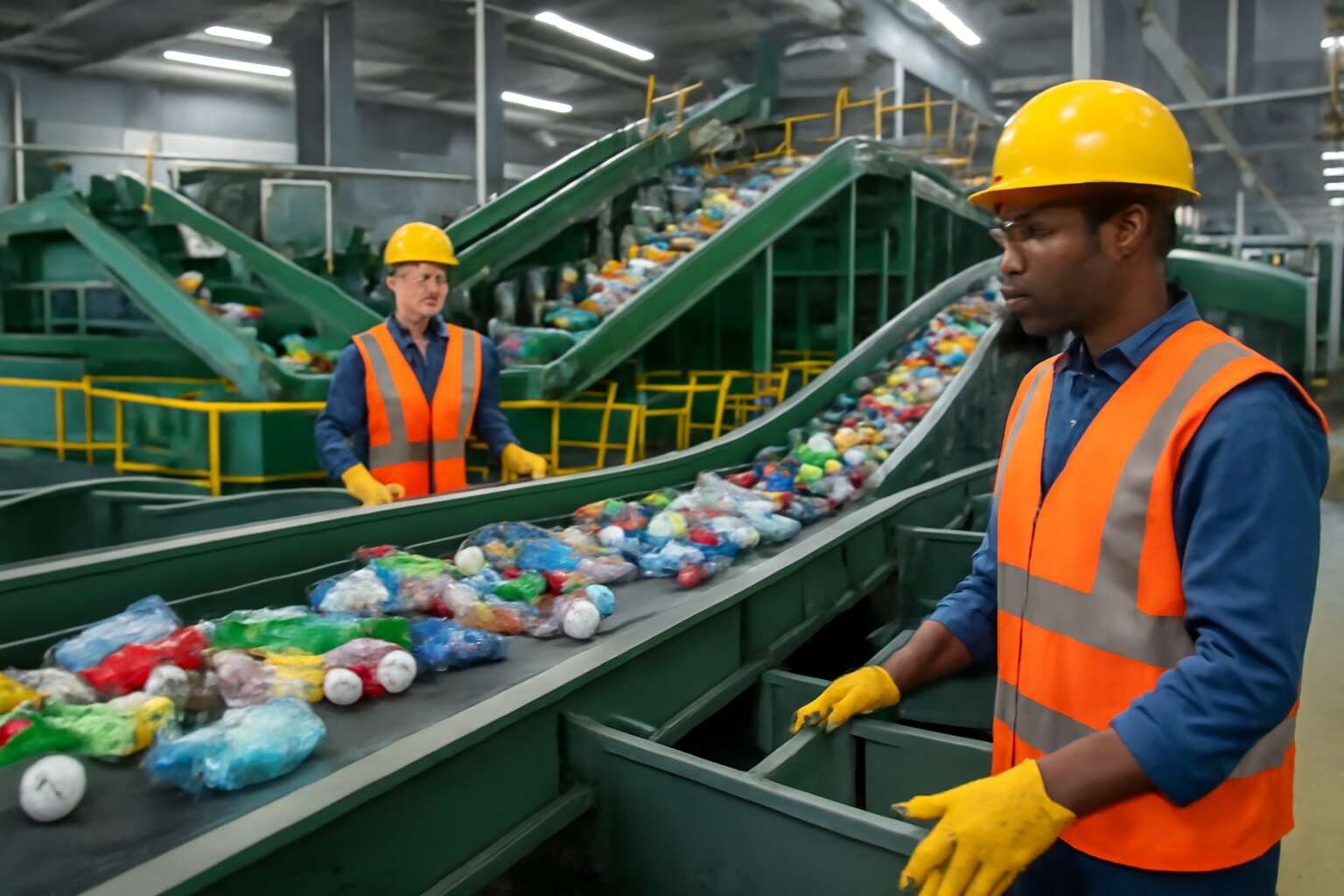
Waste management strategy outline
Integrated waste management solutions
South Africa generates millions of tonnes of waste each year—and the value often vanishes into landfills! Waste is a resource when managed well, powering cleaner communities and leaner operations. We’ve seen how smart choices unlock results that pay for themselves.
Our waste removal solutions align with a waste management strategy outline built on Integrated waste management solutions that emphasize prevention, recovery, and responsible disposal. We tailor the plan to local realities—municipal, commercial, and industrial—boosting compliance and cutting costs while keeping ecosystems intact.
Integral components include:
- Prevention and source reduction
- Material recovery and recycling
- Safe treatment and disposal
- Data-driven reporting and compliance
This framework helps clients stay ahead of regulations and adapt to changing waste streams.
Residential waste handling and disposal strategies
South Africa’s households contribute roughly 1.2 kilograms of waste per person each day, a statistic that both shocks and invites action. Waste never vanishes; it migrates into costs, clutter, and polluted corners if left unmanaged. By reimagining the home as a node in a circular system, we can cultivate waste removal solutions that protect families while preserving the natural beauty of our towns and cities.
A practical outline starts with prevention, smart sorting, and timely disposal. Separate organics, recyclables, and residuals at source to shrink landfill load and power local recovery. These core moves matter, and waste removal solutions hinge on routine, accountability, and community involvement.
- Clear labeling and home sorting stations
- Composting of fruit and vegetable scraps
- Regular collection schedules and e-waste drops
Commercial and industrial waste solutions
“Waste isn’t trash; it’s a resource waiting to be reimagined,” a line I hear echo through the corridors of industrial sites from Johannesburg to Cape Town. For commercial and industrial sectors, a solid waste management strategy turns streams of packaging, pallets, and stray scraps into cost savings and cleaner facilities. In South Africa, visibility into waste flows is as crucial as the waste itself—without data, recovery remains a dream!
- Source separation and on-site storage that minimizes hazards and streamlines pickup
- Regular waste audits and data-driven routing to cut trips and fuel use
- Recovery strategies for recyclables, organics, and energy where feasible
Partnerships with local recyclers, compliant disposal, and transparent reporting build trust with regulators and stakeholders. This is the heart of waste removal solutions: a disciplined, accountable framework that keeps factories humming while guarding communities and the country’s landscapes.
Emerging technologies and sustainable practices
Across South Africa, millions of tonnes of waste course through facilities each year, and the right tech can flip cost into capital; waste removal solutions emerge as strategic partners rather than afterthoughts, turning data into decisions and revealing inefficiencies with quiet elegance.
Emerging technologies outline a practical path forward:
- AI-powered sorting lines for accurate material recovery.
- IoT sensors tracking bin levels and contamination in real time.
- Robotics-assisted inline baling and compaction to cut handling trips.
- On-site anaerobic digestion and energy recovery from organics.
- Thermal and chemical recycling pathways for hard-to-recycle plastics.
Sustainable practices stitch the plan into daily routine: data governance, supplier transparency, and partnerships with recyclers keep operations compliant and communities safer while landscapes stay pristine. It’s a quiet revolution that respects both margins and the public good.
0 Comments