
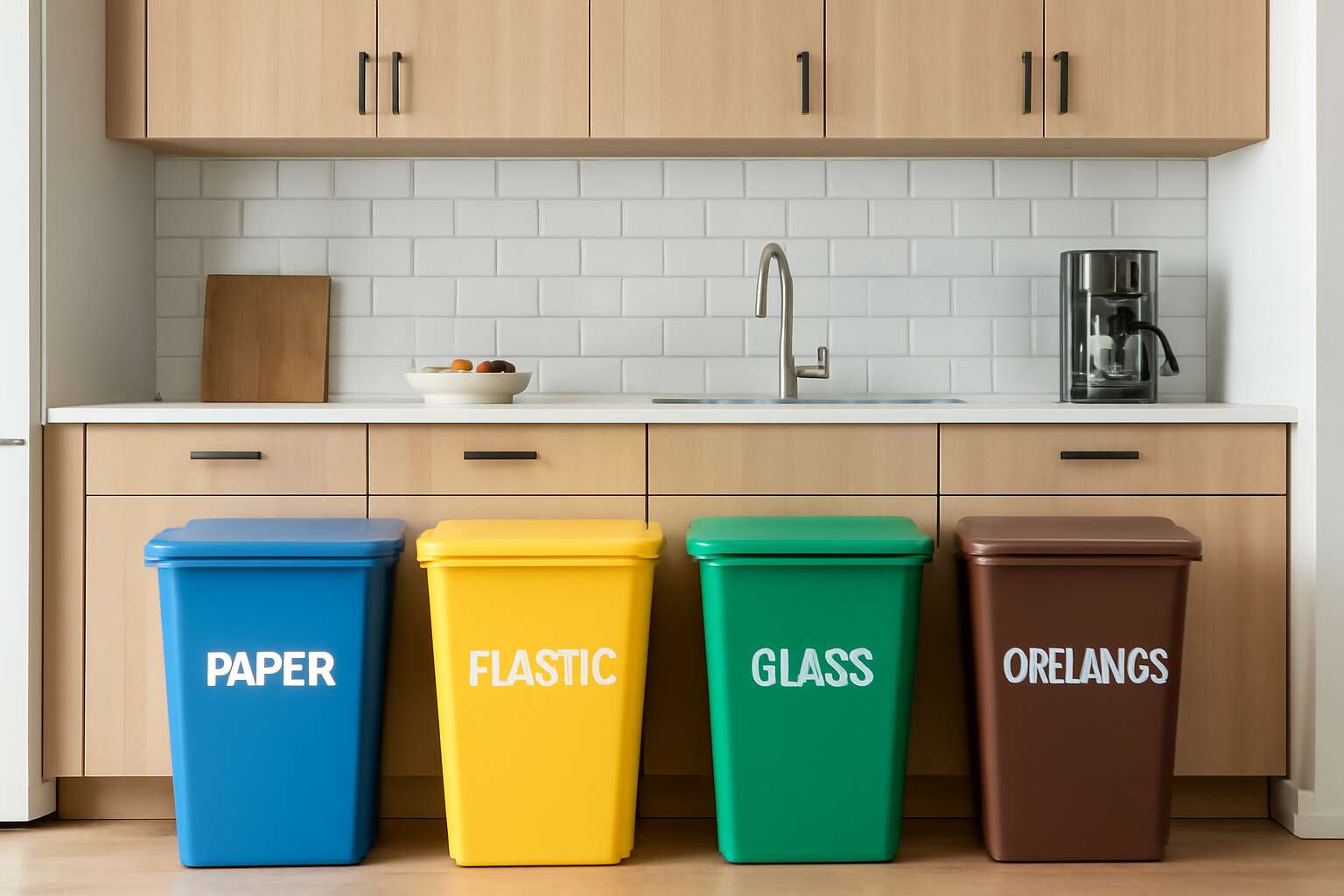
Understanding why correct waste removal matters
Impact on public health and the environment
Urban waste streams in South Africa are more than a nuisance; they are a barometer of public health and civic discipline. Some studies estimate up to a third of urban waste is not managed correctly, turning streets into opportunities for disease and pollution rather than clean, safe spaces!
Understanding why correct waste removal matters goes beyond neatness. It directly protects public health—reducing vectors, blocking runoff into waterways, and limiting exposure to hazardous materials. The consequences ripple through communities, tightening budgets and eroding trust in sanitation systems!
- Reduces disease vectors and contamination of water
- Protects soil quality and groundwater
- Maintains urban hygiene and aesthetics
The environment bears the deepest imprint: habitats, rivers, and soils respond to how waste is managed, while microplastics and fumes become part of the air and water cycle. The concept behind list five rules for correct waste removal guides a responsible approach to every household and site.
Economic benefits of proper waste handling
Waste management isn’t a cost center; it’s a signal of economic discipline for cities. In South Africa, efficient waste handling can trim municipal clean-up and disposal expenses, freeing funds for schools, clinics, and streets that work. When waste is sorted and collected properly, local businesses face fewer disruptions, and tourism looks more appealing to visitors. The economic upside shows up in several ways.
- Lower landfill fees and disposal costs
- Revenue from recycling streams
- Increased property values and urban appeal
- More predictable budgeting for municipal services
Adopting the list five rules for correct waste removal is an economical move for households and businesses alike. Reductions in waste volatility help councils avoid emergency cleanups and keep rates steadier, while communities gain legitimacy through cleaner streets and predictable services.
Compliance with local regulations
Every tidy street is a quiet investment in a city’s future. In South Africa, proper waste removal shapes more than cleanliness; it shapes trust, health, and opportunity. Understanding why it matters means tracing the journey from bin to processing and watching a neighborhood’s vibe shift as detritus is treated with care.
Compliance with local regulations anchors the system, smoothing budgets and avoiding penalties. The concept behind list five rules for correct waste removal offers a practical compass for households and enterprises alike:
- Segregation at source (organic, recyclables, general waste)
- Correct container labeling and access
- Licensed waste carriers and compliant disposal facilities
How waste removal affects recycling rates
The Earth is what we all have in common, a line that whispers through the night as streets grow quiet. In South Africa, tidy lanes reflect a community’s resolve, turning routine waste removal into a ritual of trust and care.
Correct waste removal matters because it preserves the recycling stream. When a bin is mislabeled or contaminated, whole batches falter, and energy—my energy—goes to waste chasing mistakes. With disciplined disposal, recycling rates rise and the city breathes a little easier.
- Consistent bin placement and unobstructed access
- Clear color-coding to distinguish waste streams
- Regular pickup schedules to prevent overflow
The “list five rules for correct waste removal” offers a practical compass for households and enterprises alike.
Community cleanliness and safety
In the quiet corners of South Africa, the city breathes through its streets; “The Earth is what we all have in common,” a line that stirs the night into order rather than ash. Understanding why correct waste removal matters is to hear that breath steady—preserving the recycling stream and keeping our neighborhoods safe.
Its impact on community cleanliness and safety is tangible.
- Reduces pest activity that gnaws at late-night bins.
- Keeps sidewalks clear, protecting pedestrians and emergency responders.
- Prevents runoff and drains from clogging after rain, preserving our watercourses.
That discipline echoes in the spirit of the list five rules for correct waste removal, a practical compass for households and enterprises alike.
In a country where the night can cloak irregularities, correct waste removal becomes a quiet oath—binding neighbours, workers, and city life into one solemn, watched-over continuum.
Waste categorization and preparation for disposal
Distinguishing household, recyclable, organic, and hazardous waste
In the dance of daily life, waste reveals the tempo of a city. A noble maxim whispers that waste is a chance to start anew, not to discard. Echoing the list five rules for correct waste removal, categorization starts at the source, shaping what moves toward transformation rather than landfills.
Waste is not a single stream but a quartet: household waste, recyclables, organic matter, and hazardous remnants. These categories carry different destinies in South Africa’s towns—from curbside collection to composting facilities and specialized drop-off points. Distinguishing them at the outset curbs contamination and aligns with local systems.
- Household waste: everyday non-hazardous items
- Recyclables: paper, metal, plastics
- Organic waste: food scraps, yard waste
- Hazardous waste: batteries, solvents, paints
Preparation follows categorization with careful containment and clear labeling, ensuring each stream travels to its rightful path with dignity and efficiency. Such discipline nourishes cleaner streets, calmer neighborhoods, and a brighter urban future.
How to separate waste at source
Across South Africa, millions of tonnes of waste flow from kitchens and yards each year, a metronome that marks the pace of our towns and townships. At the heart of that rhythm lies a simple choice: separate at the source.
Waste categorization is the first act. The four streams—household waste, recyclables, organic waste, and hazardous waste—each head toward a distinct destination, from curbside collection to composting facilities and specialized drop-offs. The aim is containment and labeling that guide every item to its rightful path, and following the list five rules for correct waste removal helps frame that discipline.
- Household waste: everyday non-hazardous items
- Recyclables: paper, metal, plastics
- Organic waste: food scraps, yard waste
- Hazardous waste: batteries, solvents, paints
Containment means clearly labeled bins with lids secured, and a quiet respect for the different streams—these steps keep streets cleaner and neighbourhoods safer.
Preparing items for collection: containers, bags, and labeling
In South Africa, waste categorization turns clutter into a measured chorus that guides communities toward cleaner streets. The four streams—without naming them here—each head toward a distinct destination, steered by containment and labeling that keep items on the right path.
Preparing items for collection begins at home. Containers and bags are chosen to resist the Cape wind and everyday mishaps, with each receptacle tagged with a legible marker so collectors read the message at a glance.
- Clear, durable bags and bins with secure lids
- Color-coded or clearly labeled containers to prevent cross-contamination
- Separate, sealed setups for items needing special handling
- Well-placed labeling that names each stream and its destination
Embracing the list five rules for correct waste removal makes the ritual almost magical, turning every doorstep into a tiny fortress of order and care across the nation. Neighbours notice the rhythm of sorting becoming part of daily life.
Handling electronic and bulky items
Waste categorization is the quiet art that keeps South Africa’s streets dignified. At the curb, electronics, bulky items, and regular recyclables find their own destinies through careful sorting and preparation, turning clutter into a chorus of order.
Electronic devices deserve special treatment: batteries and chargers come with risk and must travel separately to licensed e-waste facilities; bulky items—old sofas, fridges, or mattresses—demand designated, coordinated pick-ups rather than mingling with general refuse. The moment waste is separated, its future becomes clearer: it can be refurbished, recycled, or responsibly disposed of.
This is not a ritual but a mindset—the first step toward a cleaner, safer landscape. This echoes the list five rules for correct waste removal as a framework guiding communities across the nation toward greater responsibility and pride!
Five rules for correct waste removal
Sorting and separation at the source
The land remembers every bottle and bag—when waste is sorted at the source, that memory becomes a cleaner morning for everyone. Across South Africa’s towns and farms, the first act of care arrives at the curb, where choice meets consequence and the routine changes, ever so slightly.
Sorting and separation at the source is more than a habit; it’s a statement about dignity for cleaners, recyclers, and the hills that cradle our communities. The idea behind ‘list five rules for correct waste removal’ offers a compass—five gentle principles that keep streets neat and rivers clearer.
When bins wear clean labels and neighbors understand what belongs where, the town breathes easier. Even in rural mornings, separating waste at the source shapes futures—less pollution, gentler landscapes, and renewed communal pride.
Follow local recycling and composting guidelines
Curbsides tell a story—the memory of every bottle and bag lingers until we sort. A simple prompt lands with a punch: “list five rules for correct waste removal”—five steady guidelines that keep streets orderly and rivers clearer. Across South Africa, tidy routines at the curb become acts of care for cleaners and communities alike.
- Rule 1: Separate at source—keep recyclables, organics, general waste, and hazardous waste in clearly labeled bins.
- Rule 2: Use proper containers and labeling—strong bags, sealed lids, and durable bins to avoid leaks.
- Rule 3: Keep items dry and clean—rinse where possible and avoid contamination that spoils recycling streams.
- Rule 4: Follow local guidelines—check municipal rules on what goes in which bin and collection days.
- Rule 5: Plan for bulky and e-waste—drop off at approved facilities rather than dumping or stuffing into regular bins.
When these rules guide daily routines, communities stay brighter, cleaner, and safer—one curb, one river, one sunrise at a time.
Package and seal waste securely to prevent leaks
Across South Africa, tidy curbs are the quiet guardians of health, and each bin is a rune in a city’s story. This is how you enact the list five rules for correct waste removal—five steady laws shaping daily life and keeping rivers clear.
- Separate at source—recyclables, organics, general waste, and hazardous waste in clearly labeled bins.
- Use proper containers and labeling—strong bags, sealed lids, and durable bins to avoid leaks.
- Package and seal waste securely to prevent leaks.
- Keep items dry and clean—rinse where possible and avoid contamination that spoils recycling streams.
- Follow local guidelines—check municipal rules on what goes in which bin and collection days.
When these habits become ritual, the streets glow brighter and communities breathe easier.
Dispose of hazardous waste through approved channels
A quiet truth travels our towns: when waste is managed with care, mornings are safer and rivers sparkle a little brighter. This piece centers on a crucial moment in the journey—the rule about hazardous waste—and anchors it to the “list five rules for correct waste removal.”
- Identify hazardous items such as batteries, paints, and solvents, and separate them from general waste.
- Dispose of hazardous waste through approved channels—licensed collection points or municipal programs.
- Keep all containers sealed, upright, and clearly labeled until handover.
By treating these items as a communal responsibility, we protect soil and water for families who fish, farm, and dream under wide South African skies.
Schedule pickups and maintain disposal records
Waste writes its weather across South Africa’s towns, and the gentlest forecasts begin with careful habits. The phrase ‘list five rules for correct waste removal’ invites us to treat refuse as a fellow traveler, not a stubborn problem. In this spirit, stewardship outshines spectacle.
- Reimagine waste as a resource, choosing durability over disposability.
- Prioritize reuse, repair, and sharing to extend product lifespans.
- Engage neighbours and local programs to reduce transport miles.
- Support transparent reporting of waste movements within the community.
- Keep a simple diary of waste to guide wiser choices.
Practical tips and best practices
Choose a reliable waste management partner
Waste is a resource in transit, and reliable partners turn potential trash into tangible value. In South Africa, city audits show that up to 60% of household waste could be diverted from landfills with proper sorting and consistent collection.
Practical tips and best practices begin with choosing a partner who is transparent, licensed, and attuned to local regulations. Look for real-time reporting, adaptable service levels, and coverage that fits peak cycles.
- Single point of contact for service updates
- Real-time waste-recovery reporting or dashboards
- Clear service-level agreements and responsiveness
The concept of “list five rules for correct waste removal” crystallizes into simple actions that keep sites tidy and compliant.
Understand collection schedules and rules
Across South Africa, city audits show that predictable collection schedules unlock a quieter, cleaner cycle for communities. In fact, up to 60% of household waste could be diverted from landfills with proper sorting and consistent collection.
Practical tips start with choosing a partner who is transparent, licensed, and tuned to local rules. Look for real-time dashboards, adaptable service levels, and coverage that matches peak cycles.
- Single point of contact for service updates
- Real-time waste-recovery reporting or dashboards
- Clear service-level agreements and responsiveness
Understanding collection schedules and rules keeps sites tidy and compliant. The concept behind “list five rules for correct waste removal” crystallizes into simple, enduring habits: know pickup times, understand accepted materials, and report changes promptly. In South Africa, alignment with municipal calendars and holidays helps prevent missed collections and backlogs.
Avoid common waste disposal mistakes
Practical waste management thrives on disciplined routines and clear expectations. When sites treat removal as a daily habit, cleanliness follows. Framing the process as the “list five rules for correct waste removal” helps teams anchor simple, enduring practices that cut mistakes at the source.
Adopt a few lean, actionable steps that dodge common missteps.
- Post a plain disposal map at every bin cluster so everyone knows where to put each stream.
- Keep a short, accessible disposal log for materials and quantities, reviewed weekly.
- Run brief site checks after deliveries and events to catch stray items before the cycle rolls.
In South Africa, patching these routines into local calendars and staff rosters keeps neighbourhoods tidy and safe. Consistency becomes the quiet driver of compliance and community trust.
Benefits of reducing, reusing, and composting
Every kilogram diverted from the landfill rewrites a neighborhood’s future. Even a 10% reduction in household waste can lessen emissions and free up budget for essential services. The spirit of the list five rules for correct waste removal anchors our approach: simplicity, respect for streams, deliberate pacing, and a culture of care that travels from home to site.
- Reducing waste lowers resource use and climate impact.
- Reusing keeps products out of the waste stream and preserves energy.
- Composting returns nutrients to soil and reduces landfill mass.
In South Africa, these ideals breathe through local partnerships, school programs, and community gardens, turning intention into cleaner streets and healthier soils.
Engage your community in responsible waste programs
Across South Africa, clean streets are more than tidiness — they’re community capital. A surprising 10% uptick in neighbourhood participation can noticeably slash waste on our streets and lift local pride.
To keep momentum, we anchor actions in a simple guide: list five rules for correct waste removal. This beacon invites neighbours to share stories, join conversations, and celebrate small, steady wins.
- Forge partnerships with local schools and community groups.
- Highlight volunteers in newsletters and on notice boards.
- Host gentle town hall conversations to refresh goals.
This is stewardship that travels from home to street, lifting both health and hope!

0 Comments