
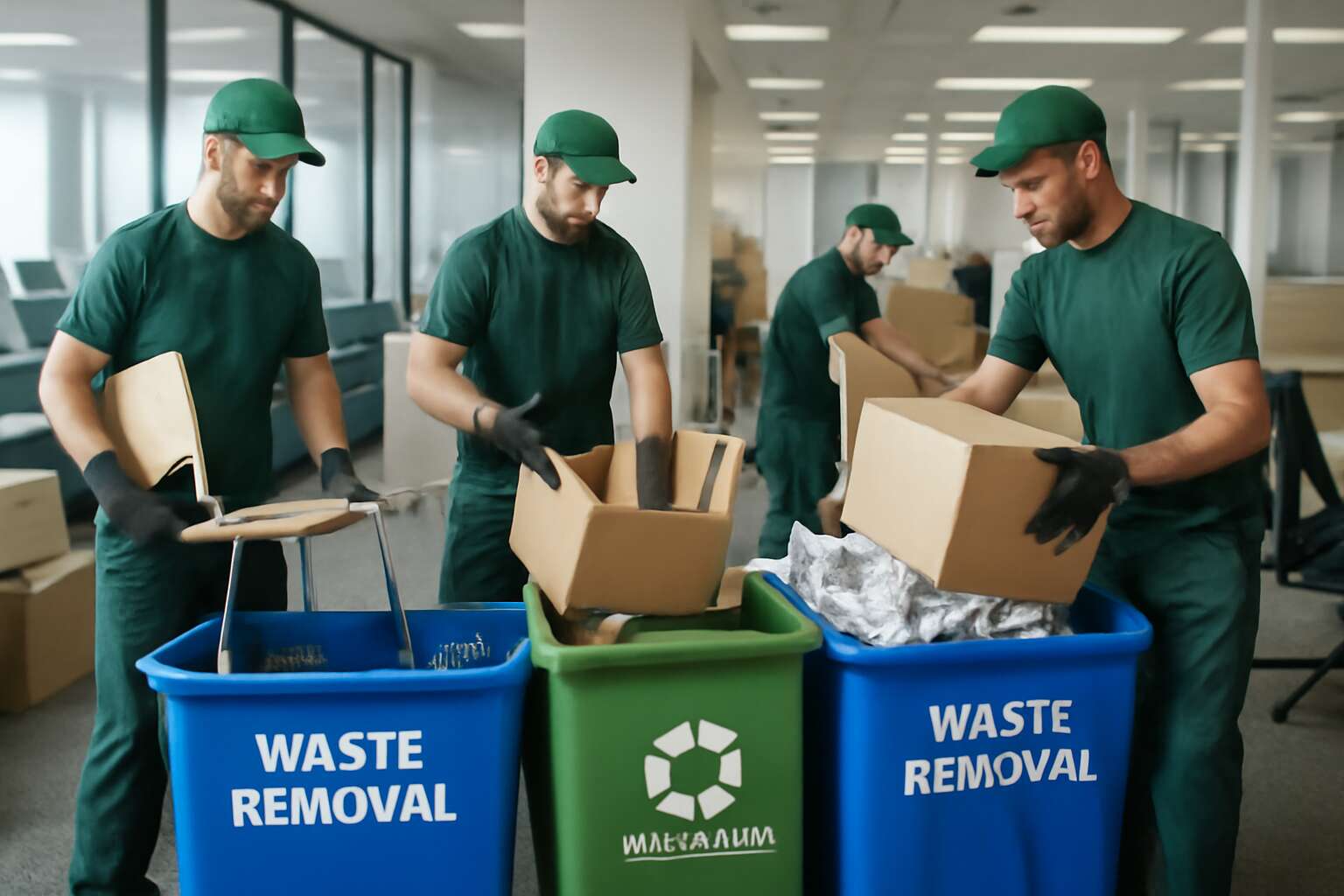
Understanding Office Move Waste Removal
Defining Office Move Waste – What constitutes waste during an office relocation
In the bustling world of office move waste removal, understanding what truly constitutes waste is essential. As organizations evolve, so does the clutter that accumulates—obsolete furniture, expired documents, and broken electronics all contribute to the mountain of waste during an office relocation. These materials, often discarded without thought, can become environmental burdens if not managed properly.
Office move waste isn’t just about physical debris; it’s a reflection of how we handle change. Items that are no longer functional or relevant—such as outdated filing cabinets, worn-out carpets, and unused equipment—must be sorted meticulously. Recognizing what qualifies as waste helps streamline the removal process, reducing costs and environmental impact.
During an office move, consider this list of common waste materials:
- Old furniture and fixtures
- Broken or obsolete electronic devices
- Packaging materials and boxes
<liExpired or redundant paperwork
Mastering the art of office move waste removal transforms chaos into clarity, fostering a greener, more organized workspace ready for new beginnings.
Importance of Proper Waste Disposal – Environmental benefits and legal compliance
In the intricate dance of an office move, the importance of proper office move waste removal cannot be overstated. Every discarded file, broken chair, or obsolete electronic device represents more than mere clutter — it embodies our responsibility to protect the environment and adhere to legal standards. When waste is managed thoughtfully, it transforms from a burdensome heap into an opportunity for sustainable practice.
South Africa’s evolving landscape demands a conscientious approach to waste disposal. Uncontrolled disposal can lead to environmental degradation, risking both ecosystems and corporate reputation. That’s why compliance with local waste management laws isn’t just a legal obligation; it’s an ethical commitment. Proper waste removal ensures that recyclable materials are diverted from landfills, reducing pollution and conserving precious resources.
For organizations undertaking an office move, understanding the significance of effective waste removal can make all the difference. It’s an act of mindful transition—one that benefits the planet and fosters a company’s reputation for sustainability. Embracing this philosophy means recognizing that every piece of waste, from old furniture and expired documents to broken electronics, has a proper place in a responsible waste management plan.
By prioritizing office move waste removal, businesses turn chaos into clarity—creating a fresh start that’s as environmentally sound as it is efficient!
Types of Waste Generated – Furniture, electronics, paper, packaging materials
The chaos of an office move often leaves behind more than just memories—it generates a substantial amount of waste that requires careful handling. From bulky furniture that no longer fits to outdated electronics that have become electronic waste, understanding the types of waste produced is essential for effective office move waste removal. In South Africa, where environmental responsibility is increasingly prioritized, recognizing these waste streams ensures compliance and sustainability.
Furniture, electronics, paper, and packaging materials comprise the primary categories of waste during office relocation. Furniture such as desks, filing cabinets, and chairs often become obsolete or damaged during the move, contributing significantly to waste. Electronics like computers, printers, and servers are another major component, often containing hazardous materials that demand specialized disposal methods. Paper and packaging materials—think old documents, cardboard boxes, and bubble wrap—also pile up quickly amidst the clutter.
To streamline office move waste removal, it’s helpful to categorize waste into:
- Furniture and fixtures
- Electronic waste (e-waste)
- Paper documents and files
- Packaging materials
Addressing each waste type with tailored strategies not only reduces environmental impact but also ensures legal compliance with South Africa’s strict waste management laws. Proper disposal and recycling of these materials turn what could be a chaotic mess into an opportunity for sustainable transition—making an office move more than just a change of location, but a step toward greener business practices.
Planning Your Office Move Waste Removal
Creating a Waste Management Plan – Steps to organize waste removal ahead of time
Planning your office move waste removal is akin to orchestrating a symphony of efficiency and responsibility. When the time to relocate approaches, creating a comprehensive waste management plan becomes the vital blueprint for success. This plan not only ensures legal compliance but also embodies environmental stewardship—transforming what could be chaos into a structured cascade of sustainability.
Begin by conducting a meticulous audit of your current waste. Identify the types of waste generated—be it obsolete furniture, outdated electronics, or mountains of paper and packaging materials. With this knowledge, you can set clear priorities and designate disposal methods that align with South Africa’s environmental standards.
Next, establish a timeline that dovetails seamlessly with your office move schedule. This proactive approach prevents last-minute scrambles, allowing your team to focus on the transition’s core. An organized plan, with designated responsibilities and scheduled pickups, transforms the daunting task of office move waste removal into a manageable, even inspiring, endeavor.
Assessing the Volume of Waste – Determining scope and scale of waste collection
Assessing the volume of waste is a critical step in ensuring a smooth office move. Without a clear understanding of how much debris, old furniture, and electronic waste will be generated, planning becomes a shot in the dark. It’s akin to trying to navigate a maze blindfolded—impossible to do efficiently. Accurate estimation allows you to allocate resources effectively, avoid unnecessary storage fees, and streamline the entire office move waste removal process.
Begin by categorizing the different types of waste you anticipate, from bulky furniture to paper archives. This evaluation helps determine the scale of collection needed and whether specialized disposal methods are required. For larger items like desks and filing cabinets, consider whether they can be repurposed or donated, reducing environmental impact and disposal costs. Remember, an informed approach to waste assessment empowers your team to manage the move with minimal disruption.
Choosing the Right Waste Removal Service – Factors to consider in hiring professionals
Choosing the right waste removal service for your office move is a decision that can make or break the entire process. In South Africa, where environmental regulations are becoming increasingly stringent, partnering with professionals who understand the legal landscape is crucial. An effective office move waste removal strategy not only ensures compliance but also minimizes disruption and costs.
When evaluating potential service providers, consider their experience with commercial waste disposal, especially in handling bulky furniture and electronic waste. Transparency in pricing and a clear understanding of your specific needs are vital. Look for companies that offer tailored solutions, including recycling options and donation programs, to reduce your environmental footprint.
- Are they licensed and insured?
- Do they provide comprehensive waste management plans?
- Can they handle the scale of your office move waste removal efficiently?
Choosing a partner with a proven track record ensures your office move waste removal is executed seamlessly, leaving your team free to focus on the bigger picture—successfully relocating your business without the chaos of unmanaged waste piling up.
Eco-Friendly Waste Removal Strategies
Recycling and Reuse – Maximizing material recycling options
In the shadowed corridors of progress, the remnants of an office move linger like ghostly echoes—discarded memories of desks, screens, and paper trails. But amidst the chaos, a silent revolution stirs: eco-friendly waste removal strategies that breathe new life into what was once destined for oblivion. Recycling and reuse are not mere options; they are vital lifelines in the pursuit of sustainability during office move waste removal. Every piece of furniture or electronic device bears the potential for renewal, transforming from discarded relics into valuable resources.
Maximizing material recycling options can seem a daunting task, yet it is the keystone of responsible waste management. Consider this—by carefully segregating waste, you can divert up to 70% from landfills, turning what would be debris into a catalyst for environmental salvation. An organized approach might include sorting electronics for proper e-waste recycling or donating functional furniture to local charities, thus reducing the spectral footprint of your office relocation.
- Electronic waste recycling ensures hazardous components are handled with care.
- Furniture reuse extends the life cycle of office assets, curbing needless consumption.
- Paper and packaging materials can be shredded and repurposed or sent for composting.
In this dance of decay and renewal, every choice made in office move waste removal echoes in the future—a testament to the power of conscious, sustainable action.
Donating Usable Items – Supporting community charities with surplus equipment
Supporting community charities through donating usable items is a powerful component of eco-friendly waste removal strategies. When offices relocate, there’s often surplus furniture, electronics, and supplies that are still in good condition. Instead of sending these items straight to landfills, they can find new homes, reducing waste and benefiting local organizations. This approach not only minimizes the environmental impact of office move waste removal but also fosters community goodwill.
By carefully assessing what can be donated, businesses can turn potential waste into valuable resources. Many charities welcome office furniture, computers, and even stationery, helping them serve their communities more effectively. This process ensures that usable items stay out of the waste stream and continue to serve a purpose.
- Identify items in good condition for donation
- Partner with local charities or community organizations
- Coordinate logistics for pickup and delivery
In South Africa, where resourcefulness is key, donating surplus office items during office move waste removal promotes sustainability and social responsibility. It’s a simple yet impactful step that aligns environmental efforts with community support—making your office relocation both greener and more meaningful.
Reducing Waste Generation – Pre-move planning techniques to minimize waste
Every office relocation leaves behind a trail of waste—furniture, electronics, paper—all of which can seem overwhelming if not approached with foresight. But with careful pre-move planning, businesses can significantly reduce the environmental footprint of their office move waste removal. The secret lies in anticipating what will be needed versus what can be minimized or eliminated altogether.
Implementing smart strategies such as digitalizing files to cut down on paper, consolidating supplies, and repurposing furniture can make a tangible difference. For example, creating a detailed inventory helps identify items that are still functional and can be reused or donated. This proactive approach not only curtails unnecessary waste but also fosters a culture of sustainability within the workplace.
In South Africa, where resourcefulness is woven into daily life, aligning office move waste removal with eco-friendly practices isn’t just good for the environment—it’s a moral imperative. Embracing these pre-move techniques transforms what could be a chaotic scramble into an opportunity for responsible stewardship and social responsibility. When waste is minimized from the outset, the journey to a new office becomes a cleaner, greener chapter for all involved.
Types of Waste Removal Services for Office Moves
Commercial Waste Collection – Services tailored for larger office relocations
When embarking on a large-scale office move, the scope of waste generated can feel overwhelming—yet specialized waste removal services turn chaos into clarity. Commercial waste collection tailored for office relocations ensures that every scrap of debris, from outdated furniture to electronic waste, is managed with precision. These services are designed to handle substantial volumes of waste, making the process seamless and environmentally responsible.
For bigger office moves, professional waste removal companies offer comprehensive solutions such as bulky item collection, hazardous waste handling, and secure electronics disposal. Their expertise guarantees compliance with local regulations while maximizing recycling and reuse opportunities. Whether it’s a full-scale office overhaul or a partial move, selecting the right waste removal service can dramatically reduce the logistical headache—transforming a potential nightmare into a smooth transition.
Specialized Electronic Waste Disposal – Safe disposal of sensitive electronics
Electronic waste disposal during an office move is a critical component of sustainable waste management. These devices—ranging from outdated computers to obsolete servers—contain sensitive information and hazardous materials that demand careful handling. Proper electronic waste disposal not only protects confidential data but also mitigates environmental harm caused by toxic substances like lead and mercury.
Specialized electronic waste disposal services employ secure procedures to ensure data destruction and environmentally responsible recycling. They often include services such as data wiping, secure collection, and certified recycling, giving businesses peace of mind. When selecting a provider for office move waste removal, it’s vital to confirm they adhere to local South African regulations and best practices for electronic waste management.
In some cases, electronic waste disposal can be simplified through the use of
- certified recycling centers
- confidential data destruction services
- e-waste collection programs
that handle large volumes efficiently. This specialized approach guarantees that every electronic item is disposed of safely, aligning with environmental standards and corporate social responsibility goals. After all, responsible e-waste disposal is a cornerstone of successful office move waste removal—transforming potential hazards into opportunities for greener business practices.
Furniture Removal and Disposal – Options for bulky and outdated office furniture
Office move waste removal isn’t just about clearing space—it’s about streamlining your transition and minimizing environmental impact. When dealing with bulky and outdated furniture, choosing the right disposal method can save time and resources. Many companies opt for furniture removal and disposal services that specialize in handling large items efficiently and responsibly.
Options for managing office furniture waste include dedicated collection services that dismantle and transport old desks, filing cabinets, and cubicles to recycling centers. These professionals ensure that every piece is either recycled or donated, supporting sustainability goals. Additionally, some providers offer on-site disposal, reducing downtime during your move. For businesses with substantial furniture waste, a structured approach can involve:
- Assessing the volume of furniture needing removal
- Scheduling pickups to align with your move timeline
- Ensuring proper disposal methods to comply with local regulations
By leveraging specialized office move waste removal services, companies can turn what seems like a logistical challenge into an opportunity for greener business practices. Outdated furniture doesn’t have to be a burden; instead, it can be a catalyst for eco-conscious change during your office relocation process.
Cost Considerations for Office Move Waste Removal
Pricing Structures – Understanding quotes and billing methods
When it comes to office move waste removal, understanding the pricing structure can feel like deciphering hieroglyphs—mysterious and confusing. Pricing for waste removal services can vary wildly depending on factors like waste volume, type, and the service provider’s billing method. Some companies prefer a straightforward per-tonne fee, while others offer bundled quotes that include labour, transportation, and disposal fees.
To avoid sticker shock, it’s essential to request detailed quotes that itemize costs. This transparency helps prevent surprises and allows for better budget management. Additionally, some waste removal services operate on a fixed-rate basis for small-scale jobs, while larger office moves might require an hourly rate or customized pricing.
- Volume of waste
- Type of waste—be it electronics, furniture, or packaging materials
- Service frequency
- Additional disposal or recycling fees
Navigating these billing methods with clarity ensures your office move waste removal remains cost-effective and hassle-free, helping you focus on the exciting part—getting your new workspace up and running!
Factors Influencing Costs – Volume of waste, type of materials, service complexity
In the bustling world of office move waste removal, costs can feel as unpredictable as a sudden storm on the high seas. Several key factors influence the final bill, making it essential to understand what drives these expenses. One of the most significant is the volume of waste. The more debris, furniture, and electronics accumulated, the higher the cost—think of it as a treasure chest that needs more effort and resources to clear out.
Another crucial element is the type of waste involved. Electronics and hazardous materials demand specialized disposal methods, which can significantly increase costs. Office move waste removal for bulky furniture or sensitive electronic equipment often incurs additional fees—sometimes based on the complexity of safe disposal or recycling requirements. To navigate this labyrinth of pricing, consider requesting an itemized quote that details each component of the service.
- Volume of waste
- Type of materials—electronics, furniture, packaging
- Service complexity—special handling or recycling needs
Understanding these influences ensures that your office move waste removal remains both budget-friendly and efficient, transforming what might seem like a daunting expense into a well-managed part of your relocation journey. With the right planning, you’ll have more time to focus on the exciting adventure of setting up your new workspace!
Budgeting for Waste Removal – Estimating expenses early in the planning process
Office move waste removal isn’t just about tossing everything into a bin and calling it a day. It’s a clandestine operation that can quickly spiral out of control if you don’t budget wisely. Estimating expenses early in the planning process is crucial—think of it as the secret sauce that keeps your relocation from turning into a financial free-for-all. The costs are as unpredictable as a Johannesburg thunderstorm, but understanding the key drivers can make your budget feel more like a sturdy umbrella than a soggy mess.
One of the biggest cost factors is the volume of waste. The more furniture, electronics, and clutter you produce, the more effort and resources will be required for proper disposal. To avoid surprises, consider creating a detailed inventory and asking your waste removal service for an itemized quote. This ensures transparency and helps you keep tabs on where every rand is going. Remember, oversized office furniture or obsolete electronics often come with their own price tags, especially if they require specialized handling or recycling. So, it’s wise to weigh the costs of disposal options and explore alternative ways to reduce waste generation before the move even begins.
In South Africa, where regulations surrounding electronic waste disposal and hazardous materials are tightening, factoring in service complexity becomes even more essential. Whether it’s safe removal of sensitive IT equipment or recycling bulky desks, these specialized tasks can significantly impact your budget. Planning ahead for these nuances ensures your office move waste removal remains both cost-effective and compliant with local laws. After all, nobody wants fines to turn their smooth relocation into a costly headache! Balancing these factors with your overall move plan will keep finances in check and streamline the entire process, transforming what could be a chaotic expense into a well-managed logistical feat.
Regulations and Compliance
Local Waste Disposal Laws – Legal requirements for waste disposal in your area
Understanding the intricacies of regulations and compliance surrounding office move waste removal is essential, especially within the context of South Africa’s evolving legal landscape. Local waste disposal laws are designed not only to protect our environment but also to ensure businesses adhere to ethical standards. Non-compliance can result in hefty fines, reputational damage, and even legal action, making it imperative to stay well-informed.
South African authorities emphasize responsible waste management, particularly for commercial waste collection. For larger office relocations, specialized electronic waste disposal becomes crucial, ensuring sensitive data and hazardous materials are handled safely. It’s worth noting that failure to comply with these regulations can lead to serious consequences, including environmental harm and community health risks.
In this context, engaging with licensed waste removal services that understand local laws can make all the difference. Remember, adherence to these legal requirements isn’t just about avoiding penalties; it’s about fostering a sustainable future and demonstrating corporate responsibility. Navigating the legal framework around office move waste removal requires careful planning and a commitment to ethical practices—an investment in both your company’s integrity and the environment’s well-being.
Hazardous Waste Handling – Guidelines for disposing of dangerous materials
Handling hazardous waste during an office move requires meticulous adherence to strict regulations that safeguard both the environment and public health. South African laws mandate that dangerous materials—such as electronic waste containing heavy metals, expired chemicals, or old batteries—must be disposed of through licensed and compliant channels. Failure to do so not only risks hefty fines but can also lead to severe legal repercussions and environmental contamination.
To ensure proper hazardous waste handling, it’s essential to partner with waste removal services experienced in navigating local compliance standards. This includes understanding the specific guidelines on the disposal of substances like solvents, cleaning chemicals, and electronic waste. For example, electronic waste containing sensitive data must be securely wiped before disposal, and hazardous materials must be segregated and stored in appropriate containers.
- Identify all potentially dangerous materials during your pre-move planning.
- Engage licensed waste disposal providers familiar with South Africa’s hazardous waste regulations.
- Ensure proper documentation and certificates of disposal for compliance and record-keeping.
By prioritizing hazardous waste handling in your office move waste removal strategy, you demonstrate a commitment to ethical responsibility and environmental sustainability. Navigating these legal complexities with precision is crucial for a seamless transition that respects both legal standards and community well-being.
Documentation and Certification – Ensuring proper records for compliance
Ensuring proper documentation and compliance certification is the backbone of responsible office move waste removal. In South Africa, strict regulations govern the disposal of hazardous and general waste, making it vital to maintain meticulous records. These documents are more than mere paperwork—they serve as proof of adherence to legal standards and environmental stewardship. When you partner with licensed waste disposal providers, they often supply certificates of disposal, which are essential for audits and regulatory reporting.
To streamline this process, consider implementing a systematic tracking method—whether digital or paper-based—that logs all waste materials, disposal dates, and certification details. This not only safeguards your business from potential legal repercussions but also demonstrates a commitment to ethical office move waste removal practices. Remember, every piece of documentation is a testament to your organization’s integrity and respect for community well-being.
- Identify all waste types during pre-move planning, ensuring no hazardous material slips through unnoticed.
- Engage licensed waste disposal services familiar with South Africa’s regulations to guarantee compliance and proper handling.
- Request and archive certificates of disposal for every waste stream, especially hazardous and electronic waste, to maintain a comprehensive compliance record.
In a landscape where legal and environmental responsibilities intertwine, maintaining rigorous records and certifications elevates your office move waste removal from mere logistics to moral obligation. It’s about safeguarding the environment, respecting community health, and upholding your organization’s reputation with unwavering integrity. Proper compliance isn’t just a legal requirement—it’s an act of moral clarity in a complex world.
Tips for a Smooth Waste Removal Process
Scheduling and Timing – Planning waste collection around move dates
Timing is everything when orchestrating a seamless office move, especially when it comes to waste removal. Coordinating waste collection around your move dates can prevent chaos and minimize disruption. Imagine scheduling waste removal services during quieter periods of the day or week, allowing for a smoother transition. Proper scheduling also helps avoid last-minute surprises, such as overflowing bins or delayed pickups, which can cause unnecessary stress.
To optimize your waste removal process, consider creating a detailed timeline. This ensures that waste collection aligns precisely with your move milestones. For larger office relocations, an ordered approach can make all the difference. For example, you might prioritize clearing out non-essential items well in advance, leaving only the essential waste for closer to the move date. This strategic planning streamlines the entire office move waste removal process, turning what could be a logistical nightmare into a well-oiled operation.
- Identify the most suitable days for waste collection based on your office’s activity schedule.
- Book your waste removal service early to secure availability, especially during peak moving seasons.
- Coordinate with your waste management provider to confirm pickup times and procedures, ensuring no hiccups on the day of your move.
By paying close attention to scheduling and timing, you can transform what might seem like a daunting task into a straightforward, hassle-free component of your office move. This careful planning not only keeps your workspace tidy but also supports environmentally responsible waste disposal practices during your relocation journey.
Coordination with Moving Teams – Effective communication with movers and waste services
Effective communication between your moving team and waste management services is the secret sauce for a smooth office move waste removal. When everyone is singing from the same hymn sheet, chaos is kept at bay, and the transition becomes less like a circus act and more like a well-rehearsed ballet. It’s crucial to establish clear lines of communication early—think of it as the office’s own version of a diplomatic summit.
Coordinate pickup times, clarify waste disposal procedures, and confirm that waste removal services are prepared to handle the specific types of waste generated. An often-overlooked detail is ensuring your waste management provider understands the scope of your office move waste removal needs, especially if you’re dealing with electronics or bulky furniture.
To streamline the process, consider creating a simple schedule or checklist. This way, there’s no risk of double-booking or missed pickups, which can turn your move into a trashy nightmare. Remember, effective communication isn’t just nice-to-have; it’s the backbone of a successful office move waste removal.
Monitoring and Managing Waste Removal – Ensuring timely and complete disposal
Monitoring and managing waste removal during an office move isn’t just about hauling junk out the door; it’s a strategic dance that ensures every piece of waste is disposed of timely and efficiently. A haphazard approach can turn your smooth transition into a logistical nightmare—delays, missed pickups, and cluttered chaos lurking at every corner. That’s why maintaining vigilant oversight of the entire waste removal process is essential.
Implementing a real-time tracking system or assigning dedicated personnel to oversee waste collection can make all the difference. Regularly communicating with your waste management provider helps avoid surprises—like overflowing bins or missed pickups—that can stall your office move. Remember, the goal is to keep waste removal seamless, so nothing lingers longer than necessary, distracting from your core move schedule.
Consider creating a simple yet comprehensive checklist or schedule that details pickup dates, waste types, and disposal requirements. This proactive measure ensures that every item—be it electronics, furniture, or packaging materials—is accounted for. With meticulous monitoring, your office move waste removal becomes a well-oiled machine, transforming what could be a messy ordeal into a smooth, organized operation.
Benefits of Professional Office Waste Removal
Efficiency and Safety – Minimizing risks and streamlining the move
When it comes to office move waste removal, efficiency and safety are paramount. Entrusting professionals with waste removal ensures a streamlined process, reducing downtime and avoiding the chaos often associated with large-scale relocations. By leveraging specialized equipment and expertise, waste removal services can swiftly clear clutter, allowing your team to focus on settling into the new workspace without unnecessary delays.
Moreover, safety is a critical concern during office move waste removal. Handling bulky furniture, electronic waste, or hazardous materials without proper precautions can pose serious risks. Professional waste removal teams are trained to adhere to strict safety protocols, minimizing hazards for employees and the environment alike. They also facilitate proper disposal methods in line with local waste disposal laws, ensuring compliance and peace of mind.
Incorporating a comprehensive waste removal strategy can significantly enhance the overall efficiency of your move. For example, organized waste collection not only expedites the process but also promotes recycling and reuse, turning what might be considered waste into valuable resources. This thoughtful approach underscores the importance of choosing experienced professionals for office move waste removal—transforming what could be a logistical nightmare into a smooth, safe transition.
Environmental Responsibility – Reducing the ecological footprint
In a world increasingly conscious of its ecological footprint, the role of professional office move waste removal becomes vital—transforming chaos into conscientiousness. When entrusted to experts, companies not only ensure a seamless transition but embrace a path of environmental responsibility that echoes beyond the confines of their walls. The act of removing waste during an office move isn’t merely about clearing clutter; it’s a deliberate step toward sustainability.
By leveraging specialized disposal techniques, waste removal services prioritize recycling and reuse, turning what might be discarded into resources reborn. This process reduces landfill burden and conserves vital materials. In South Africa, where environmental preservation faces unique challenges, adopting eco-friendly waste management practices demonstrates a commitment to preserving our natural heritage. From electronic waste to bulky furniture, every item disposed of responsibly exemplifies the power of mindful waste removal.
Choosing professional office move waste removal fosters a culture of eco-consciousness, aligning your move with global efforts to minimize ecological impact. The benefits extend beyond compliance; they cultivate a legacy of stewardship that resonates with clients, employees, and the community alike. In this dance of logistics and sustainability, expert waste removal transforms a logistical necessity into an act of environmental integrity.
Legal Peace of Mind – Avoiding penalties through proper disposal
Ensuring legal peace of mind during an office move hinges on the meticulous management of waste disposal. When waste is improperly discarded, companies risk hefty penalties, damage to their reputation, and even legal action. Professional office move waste removal services are equipped with the expertise to navigate complex local waste disposal laws in South Africa, ensuring every item—be it electronics, furniture, or paper—is disposed of in accordance with statutory requirements. This not only safeguards your company from potential fines but also underscores your commitment to environmental stewardship.
Choosing a reputable waste removal provider means you benefit from transparent pricing structures and thorough documentation. These records serve as tangible proof of compliance, giving you confidence and peace of mind that your move adheres to all legal stipulations. Moreover, by entrusting waste disposal to experts, your business minimizes the risk of accidental contamination or unsafe handling, which could lead to costly liabilities. Ultimately, proper waste removal isn’t just about tidy logistics; it’s a legal safeguard that fortifies your company’s integrity in an increasingly regulated landscape.



0 Comments