
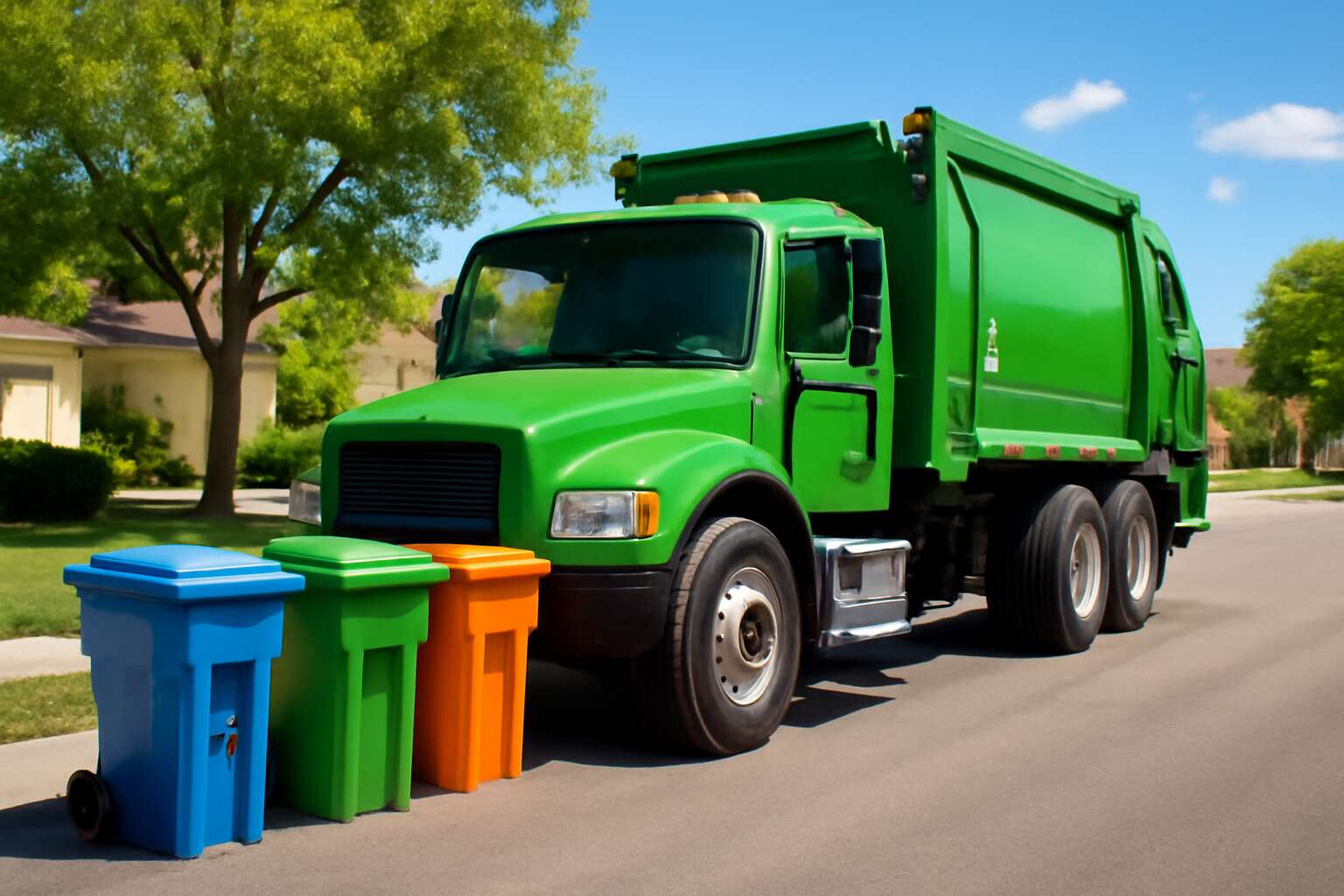
Waste removal definition and key concepts
Overview of waste removal
In South Africa’s fast-paced cities, waste becomes a barometer of systems—potential and peril intertwined. “Waste is a resource in disguise,” a seasoned advisor says, and the message sticks. This piece clarifies the core concept shaping decisions across urban and rural landscapes.
At its core, the waste removal definition covers collection, transport, treatment, and either disposal or reuse. It stresses source separation, safe handling, and compliance with SA regulations—whether in busy metros or rural communities. Key concepts include:
- collection systems and service levels
- treatment options and recycling streams
- compliance with environmental rules and reporting
Understanding these elements helps organisations assess risk, drive value, and support a circular economy. A clear waste removal definition keeps teams aligned across municipal and private partnerships, balancing safety with practicality and urgency.
Regulatory framework and standards
“Waste is a resource in disguise”—and in South Africa, that disguise sits under a badge of law. The waste removal definition maps responsibility across regulators, municipalities, and industry.
Regulatory framework and standards in SA span national acts, provincial oversight, and municipal by-laws, all aligned to protect people and the environment. The National Environmental Management: Waste Act anchors permit regimes, waste classification, and mandatory reporting.
Key elements include:
- Licensing and registration for waste facilities
- waste classification, handling, and transport
- Compliance monitoring and reporting
- ISO 14001 and SABS standards alignment
When standards align with governance and practice, organisations weave safety and efficiency into daily operations.
Waste removal processes and methods
“Waste is a resource in disguise.” That line frames the waste removal definition. It’s a description of who handles what, when, and why it matters. In practice, it anchors the flow—from source separation to transport and final treatment. This keeps communities safe and ecosystems intact.
Key concepts include segregation at source, responsible handling, compliant transport, and proper disposal or recovery. The aim is to minimize risk while maximizing recoverable value.
- Source separation and recycling
- Material recovery facilities and biological treatment
- Energy recovery options and safe disposal
Waste removal processes and methods vary by waste type and facility, but the throughline is clear: define, collect, treat, and track. When the chain is understood, operations become more predictable and compliant across SA settings.
Impact, costs, and sustainability
Across South Africa, millions of tonnes of waste pass through communities each year—and every choice about how we handle it leaves a footprint on our landscapes. Understanding waste removal definition helps residents and businesses see who handles what, when, and why. From curbside collection to final treatment, this throughline reminds us that safety, cleanliness, and soil health depend on clear responsibility and careful tracking.
Impact, costs, and sustainability hinge on local choices. Efficient waste systems can ease municipal budgets, protect rivers and farms, and create steady, local jobs. When value is recovered—through materials reuse, energy capture, or safe disposal—communities win twice: cleaner air and a resilient economy that honours the land we share.
0 Comments