
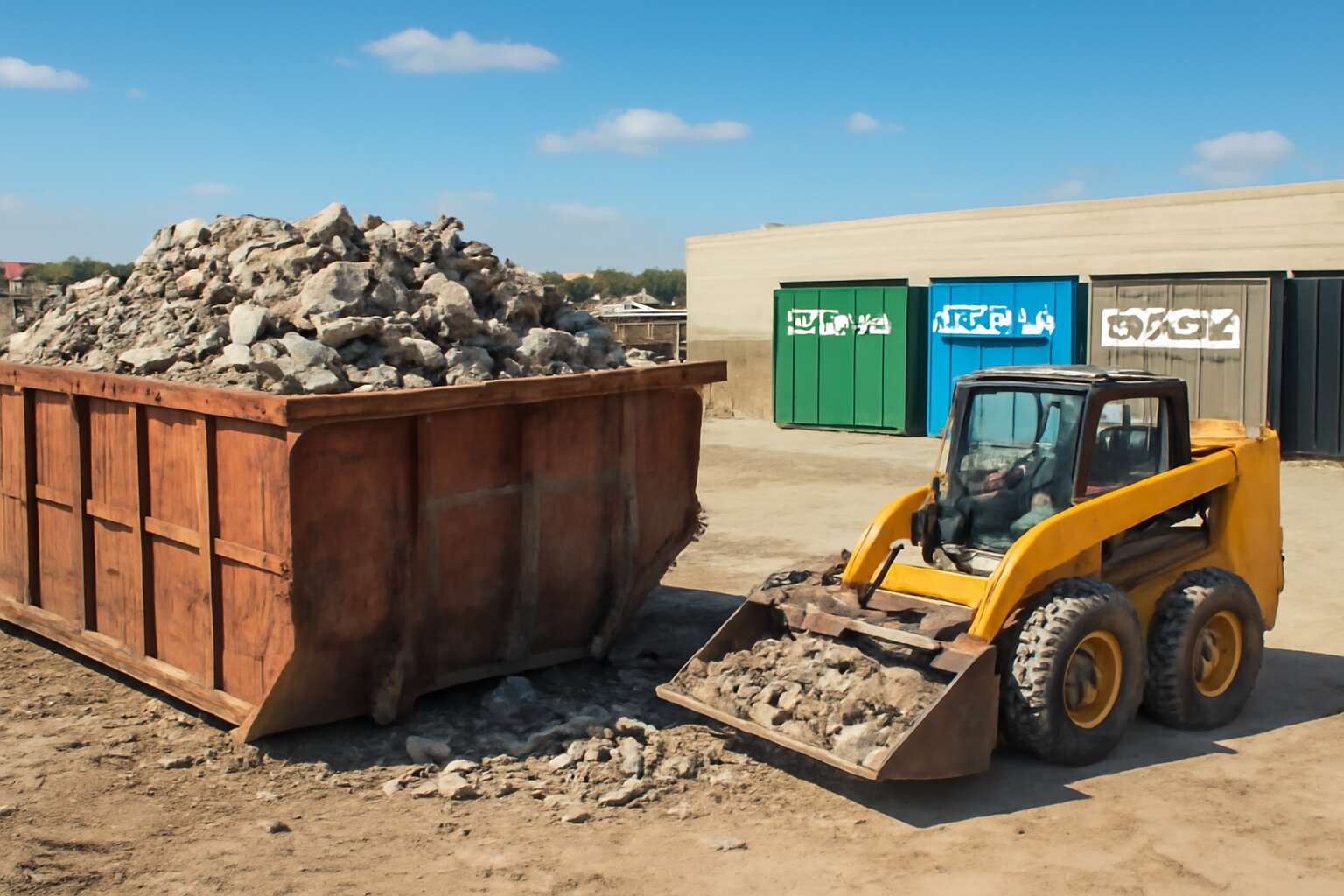
Rubble cleanup and debris removal overview
What qualifies as rubble and construction debris
Across South Africa, millions of tonnes of rubble are generated each year from renovations, roadworks and new builds, and responsible rubble removal disposal keeps communities safe and thriving. It’s not mere trash—it’s a resource that deserves sorting, careful handling, and transport to facilities that recycle concrete, brick, and timber while safeguarding land and waterways. I’ve witnessed how thoughtful sorting turns a messy site into a safer, more hopeful space.
- Concrete rubble and masonry
- Bricks and tiles
- Wood and timber offcuts
- Metals and scrap
- Glass, plastics, insulation
- Gypsum and plaster
Rubble and construction debris aren’t household waste. They require defined categories and compliant disposal streams. Understanding what qualifies as rubble and construction debris helps builders, residents, and local councils plan for responsible rubble removal disposal and ensure projects stay on the right side of the environment and the law.
Key industry definitions and waste streams
Across South Africa, millions of tonnes of rubble are wrestled into shape by developers and councils each year, a quiet spectacle that keeps communities safe and commerce moving. Rubble cleanup and debris removal is not mere hauling; it’s deliberate sorting, transport, and placement into the right channels for reuse, recycling, or lawful disposal.
At the heart of this work are industry definitions and waste streams that translate rubble into legitimate material flows. The aim: keep land, water, and air pristine while turning waste into assets through recycling and responsible recovery.
Rubble removal disposal guides the journey of waste through three main streams:
- Inert recycling stream: concrete, masonry, tile, and clean timber
- Metallics and scrap recovered for ferrous and non-ferrous recycling
- Residuals and contaminants directed to compliant disposal streams
This approach, rubble removal disposal, ensures every ton finds its rightful path.
On South African sites, regulatory alignment matters; segregation at source unlocks value and protects land, water, and the wider environment.
Benefits of professional rubble removal services
Across South Africa, the quiet engine of construction safety runs on rubble. Nearly every project leaves a trail of debris that must be managed, sorted, and moved with care. In practice, rubble removal disposal transforms waste into assets.
Professional rubble removal services deliver tangible benefits:
- Safer sites
- Cleaner workflows
- Value recovery through sorting
These advantages extend beyond safety, shaping timelines, costs, and environmental outcomes.
There is a human rhythm to this work—a blend of discipline and care that keeps communities safer and cities more resilient. It reframes waste as a resource and a story of accountability.
Regulatory basics: permits and compliance
Across South Africa, rubble on every build site whispers progress—and the clock ticks louder if debris slows it down. As one foreman notes, ‘Every minute saved on debris is a minute earned on progress.’ The driver behind clean, safe work is rubble removal disposal, keeping sites moving, neighbours at ease, budgets intact.
Regulatory basics for rubble cleanup demand permits and strict compliance. A clear path through the paperwork protects workers and the environment.
- Permits and licensing
- Waste classification and documentation
- Transport tracking and disposal records
- Site-by-site approvals and municipal rules
Without this framework, affordable options become risky. The process ensures traceability, reduces landfill burden, and supports timely project completion. rubble removal disposal becomes accountability you can see in every completed curb and corridor.
From small towns to urban hubs, crews part dust with care, grounded by permits and compliance, a promise to leave the land better for the next harvest.
Choosing between DIY and contractor-led removal
On South African sites, the rhythm of progress is set by how quickly debris disappears; studies hint that tidy yards trim downtime by as much as a quarter. A clink of hammers, a whistle of wind, and suddenly the path forward is clear. The question remains: DIY or contractor-led rubble cleanup?
DIY offers control and savings, yet weather, transport, and regulatory paperwork loom as potential snags. A contractor brings trained crews, dedicated equipment, and a documented trail from skip to soil. When handled with care, it keeps workers safe and the project moving, with a dependable cadence you can feel in every curb and corridor. This is where rubble removal disposal becomes accountability you can track.
- Safety protocols and PPE compliant practices
- Permits, licensing, and waste documentation
- Reliable scheduling and waste handling
Disposal options for rubble and debris
On-site sorting and recycling strategies
rubble removal disposal isn’t just a dump run—it’s a clever game of Tetris with real savings. Across South Africa, properly sorted debris can slash landfill fees and boost recycling yield, turning a mess into money and a faster project finish!
To achieve this on-site, start with clear sorting zones and keep records for recycling streams. Here are practical strategies and disposal options that fit most sites:
- On-site sorting categories: concrete/masonry, metals, timber, drywall, and plastics
- On-site crushing and local recycling partnerships for reuse of concrete
- Material reuse opportunities for bricks and tiles in new builds or landscaping
- Engagement with licensed facilities to ensure proper separation of hazardous components
Municipal waste programs and transfer stations
Across South Africa, a surprising 1 in 3 projects trim disposal costs by routing rubble removal disposal through municipal waste programs rather than sending everything straight to the landfill. Municipal networks and transfer stations act as the nerve centers for sorting, weighing, and diverting debris into recycling streams, letting concrete travel to aggregate plants and metals head toward scrappers.
- Municipal waste programs and transfer stations that accept construction debris and offer compliant sorting.
- Regional transfer stations designed for rapid material separation, weight verification, and diversion to recycling facilities.
- Licensed facilities that handle hazardous components and ensure compliant disposal of paints, solvents, and asbestos-containing materials.
Together, these pathways keep sites tidy, reduce hauling distances, and support responsible resource recovery without unnecessary delays.
Landfill options and tipping fees explained
Handling special waste streams (asbestos, hazardous materials)
Rubble removal disposal isn’t a one-size-fits-all sprint to the tip. In South Africa, options range from licensed landfills and transfer stations to recycling yards that refit old bricks into new builds. The trick is matching the waste stream to the facility’s credentials and the site’s access. When sorting on-site, consider inert materials for earthworks, and keep non-inert chunks in separate loads to optimize tipping fees and recovery rates.
Handling special waste streams requires additional care:
- Asbestos-containing materials must be removed by licensed professionals and disposed at approved facilities, with proper packaging and labeling.
- Hazardous materials: solvents, paints, and certain metals must be segregated, stabilized, and transported by accredited waste carriers.
- Non-hazardous rubble can go to regional transfer stations or inert landfills for processing and reuse.
Careful handling ensures legal compliance and safer, more sustainable waste management.
Cost considerations and budgeting for rubble removal
Estimating volume, weight, and load limits
Turnaround times beat budgets when volume and weight are guessed like a magician’s trick. In South Africa, it’s not uncommon for rubble removal disposal costs to surprise project managers by 30% when you misread measurements and load limits. Estimating volume in cubic meters, weighing the debris, and understanding where each load sits on the scale keep the numbers honest and the project moving.
- Volume estimation: translate room or pile into cubic meters using standard bin sizes or measurement tricks.
- Local tipping fees and weight-based charges at transfer stations and landfills.
- Load limits, overage charges, and transport costs across multiple trips—balance these against single-load efficiency.
Plus, budget buffer considerations, contingency for unexpected debris streams, and the need to align with municipal programs. A realistic estimate reduces chaos and keeps the project solvent, avoiding the old adage about broken tiles and bank accounts.
Labor, equipment, and crew costs
Budgets don’t lie; they breathe and sometimes whisper! In South Africa, misreads can inflate costs by as much as 30%, turning tidy numbers into a budget’s nightmare. The right estimate keeps the project moving, long after the last brick settles.
Costs tally up where labor, equipment, and crew needs collide with scheduling. Key cost components include:
- Labor and crew costs
- Equipment hire and fuel
- Transport and tipping fees
- Contingency and permit costs
Budget buffers support rubble removal disposal plans. The unseen cost—unexpected debris streams—demands caution but doesn’t have to derail the project.
Permits, fees, and project timing
Budgets don’t lie; they breathe and whisper. In South Africa, a misread can inflate costs by up to 30%, turning tidy numbers into a budget’s nightmare. For rubble removal disposal, permits, fees, and project timing are the fulcrums that keep the plan alive. A careful forecast threads together scheduling, equipment availability, and inclement-weather buffers—all to prevent delays from eroding margins.
- Permit timelines and application fees
- Transport scheduling and tipping fee variability
- Contingency for unexpected debris streams
When the right balance is struck, the site hums instead of shrieks, and the numbers stay kind to the calendar and the client.
Tips to avoid common hidden charges
Costs in rubble removal disposal are decided by more than the listed line items. In South Africa, transport and tipping fees can balloon a tidy estimate into a tricky figure. A robust budget accounts for weather delays, load variability, and the small, often unseen charges that creep in.
To navigate hidden charges, consider these signals:
- Seek a written, itemized quote that separates transport, tipping, labour, and disposal.
- Ask how surcharges (fuel, access, late day, weather-related) are calculated and capped.
- Clarify whether sorting at source reduces costs and if mixed debris triggers penalties.
Transparency keeps a project predictable and margins intact, even when the bill lands at the end.
Choosing a rubble removal service: evaluation and procurement
How to compare quotes and warranties
Choosing rubble removal disposal partners thoughtfully sets the tone for the project. In South Africa, the teams who get it right turn chaos into clarity, delivering on schedule and with mindful waste handling. A careful evaluation now saves costly delays and keeps your project moving with dignity.
When quotes arrive, the language should reveal a shared commitment rather than a rushed impression. Look for consistency in scope, timelines, and disposal commitments, and for warranties that cover cleanup as well as removal—these signals reflect a mature partnership.
- Licensing, insurance, and compliance with local waste laws
- Itemized quotes detailing labour, equipment, transport, and disposal fees
- Disposal methods, recycling rate, and a clear warranty on workmanship
Clarify cancellation terms and what happens if schedules shift, so there are no surprises on a busy site.
With the right questions, you don’t just hire a crew—you secure a partner in responsible disruption, turning rubble into room to breathe.
Service levels: hauling, site cleanup, and debris disposal
On South Africa’s busy build sites, clean, on-time debris handling can cut project delays by a surprising margin. A clear service commitment signals more than cost—it signals partnership. From my experience, with the right partner, rubble removal disposal becomes a steady rhythm rather than a hurried scramble.
Service levels matter. Look for hauling capacity, thorough site cleanup, and responsible debris disposal as standard offerings. The best partners also bring on-site sorting and a transparent recycling rate, so waste streams stay predictable and compliant.
- Hauling and transport scheduling
- Site cleanup and dust suppression
- Debris disposal methods and recycling rate
Ask for itemized quotes covering labour, equipment, transport, and disposal. Clarify cancellation terms and how schedules shift; a robust warranty should include cleanup as well as removal. With thoughtful procurement, you don’t just hire a crew—you secure a partner who keeps the project moving.
Licensing, insurance, and safety records
On South Africa’s busy build sites, a reliable rubble removal partner acts as the quiet engine that keeps schedules intact. A blunt statistic keeps me honest: up to 12% of project delays stem from debris mismanagement rather than design flaws. With the right procurement lens, rubble removal disposal feels less like a sprint and more like a well-rehearsed dance.
Licensing, insurance, and safety records are not paperwork flotsam—they are your risk firewall and the compass for quality work. Confirm current licenses, verify insured coverage, and review safety training and incident histories. A proven track record slashes disruption and shields the project from avoidable fines and stoppages.
- Licensing and registrations
- Comprehensive insurance
- Safety training and incident history
- On-site risk assessments and compliance
Questions to ask before hiring
On South Africa’s bustling build sites, the right rubble removal partner is the quiet engine that keeps schedules intact. A blunt truth guides every purchase: up to 12% of project delays stem from debris mismanagement rather than design flaws. When you select a provider, you’re choosing predictability and risk control for the entire site.
- What licenses and current insurance coverage do you carry for rubble removal disposal, and can you show COIs?
- Can you share your recent on-site safety records and incident history, including corrective actions?
- How do you sort debris on-site and track disposal streams to ensure recycling where possible?
- What is your typical turnaround time, and how do you communicate schedule changes?
- What charges are included in the quote, and are there any potential hidden fees?
Choosing a procurement-focused approach turns a vendor into a partner who aligns budget, risk, and waste streams across the project.
DIY risks and professional disposal safety guidelines
On South Africa’s busy build sites, the rush to clear debris can feel like a race with a deadline. Choosing a rubble removal disposal partner is more than a price tag; it’s a pact for predictability, safety, and waste streams that stay compliant, guided by professional disposal safety guidelines.
DIY trips hazards, hidden fees, and spillover delays are the ghosts that haunt projects when risk is ignored. A procurement-focused mindset turns a vendor into a guard against missteps and a steward of recycling targets.
Evaluate the field with these criteria:
- Credentials, licenses, and COIs presented upfront
- On-site risk controls, crew training, and incident history
- Transparent disposal streams and recycling commitments
When the choice is rubble removal disposal, the right partner blends reliability with clear communication, avoiding costly surprises and keeping the site moving.

0 Comments