
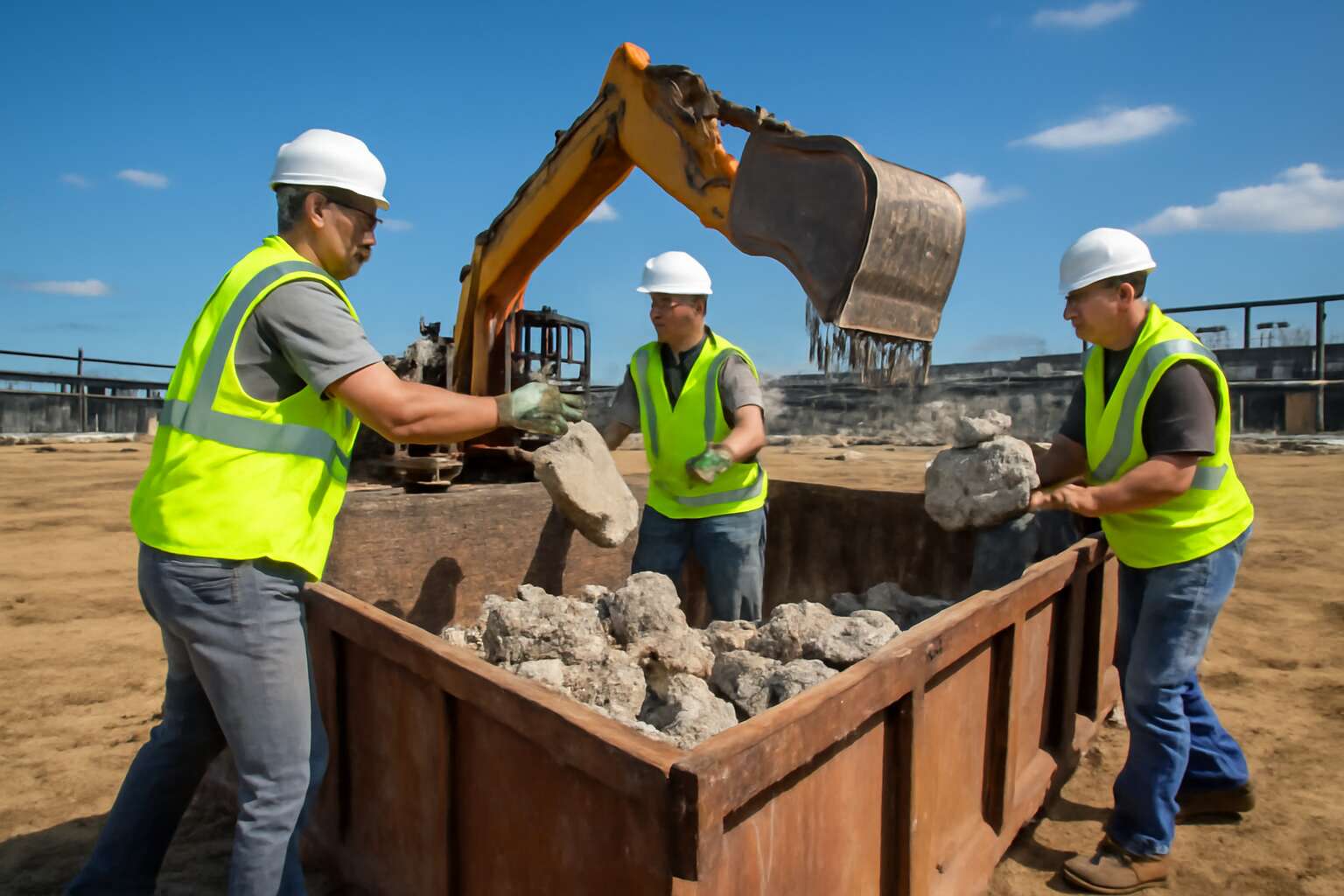
Understanding Commercial Debris Removal
Definition and scope of debris removal in commercial settings
On bustling South African building sites, debris seems to accumulate faster than coffee on a Monday. A striking stat: construction and demolition waste often dominates urban landfill input, making commercial rubble removal a daily necessity—and a savvy business move.
Understanding its definition and scope means knowing what debris removal covers on a commercial site: collection, loading, transport, and disposal or recycling of materials from construction, renovation, or demolition. The essentials include:
- Concrete, brick and masonry rubble
- Timber, drywall and packaging
- Metals and glass
Beyond hauling, the work hinges on compliance, safety and proper waste separation. Using licensed facilities and aligning with local waste rules keeps projects flowing and reduces downtime—a win for the budget and team.
In short, commercial rubble removal is about control and clarity—delivering a clean slate for the next phase of a site’s life, without chaos or drama.
Common debris types in commercial projects
On South Africa’s busiest sites, waste piles up faster than a coffee queue. Construction and demolition debris account for a hefty slice of urban landfill input, underscoring why commercial rubble removal matters daily. The common debris streams drive efficiency: concrete, brick and masonry rubble; timber and drywall waste; metals and glass. Sorting these streams early saves time and money—and it keeps projects moving instead of bogged down by waste.
- Concrete, brick and masonry rubble
- Timber and drywall waste
- Metals and glass
- Plastics, packaging and insulation
These categories shape how teams handle disposal and recycling on site, ensuring compliance and smooth handovers across the project lifecycle.
Regulatory considerations for business sites
On South Africa’s busiest sites, waste is less a nuisance and more a waking test of resolve. A foreman once told me, “Compliance is courage in coveralls.” For commercial rubble removal, that courage translates into clear rules, safe work, and a project that doesn’t stall when the next truck arrives.
Regulatory considerations span waste classification, licensing, and meticulous documentation. Classify debris accurately, track volumes, and log destinations—your on-site discipline becomes the difference between a smooth handover and a costly do-over. Transport and disposal permits, as well as licenses for disposal facilities, aren’t bureaucratic trivia; they are the scaffolding of responsible practice on every site.
- On-site waste classification and record-keeping
- Licensing and permits for transport and disposal
- Due diligence with waste brokers and disposal facilities
- Documentation for audits, handovers, and compliance reporting
Applied consistently, these rules grant you time, safety, and trust—three currencies of commercial rubble removal that outlive the rubble itself.
Benefits of professional debris removal for commercial properties
On South Africa’s busiest sites, the roar of trucks is the soundtrack of progress—and the quiet calculus behind it is waste management. “Compliance is courage in coveralls,” a foreman told me once, and I’ve carried that line into every shift. When you commit to thoughtful commercial rubble removal, the daily grind becomes a rhythm you can trust, not a gamble you fear.
Professional debris removal lifts projects from chaos to clarity. It safeguards workers, shields neighbours, and keeps schedules honest. By treating waste streams with discipline, commercial rubble removal supports safer workplaces, better site aesthetics, and a reputation for delivering on time even as the next truck arrives.
Ultimately, the benefit is less tangible but more enduring: confidence forged under pressure and a site that breathes. That is the essence of commercial rubble removal—a backbone of accountability and pride in South African builds.
Planning and Project Management for Debris Cleanup
Assessing site safety and access
On busy South African campuses and commercial sites, downtime costs escalate quickly—the average project loses days to clutter before a single box is moved. Planning and project management for debris cleanup turn that setback into a measurable timeline, guiding every phase of commercial rubble removal with precision.
Assessing site safety and access is the backbone of any cleanup plan. A thorough survey identifies entry points, vehicle routes, and risk zones for personnel and machinery. It also considers nearby tenants and traffic corridors to protect operations and the public.
- Clear, weight-rated access routes for trucks and forklifts
- Defined exclusion zones and barriers
- Communication protocols with the site safety officer
With coordinated scheduling, resource allocation, and risk management, teams anticipate bottlenecks and quarantine hazards before they appear. This steady governance ensures that commercial rubble removal proceeds smoothly while keeping crews safe and the budget intact.
Creating a debris removal timeline and milestones
In South Africa’s busiest campuses and commercial complexes, downtime can steal up to a week of productivity. A well-planned debris timetable turns chaos into a calendar, reclaiming precious hours and budgets. Planning and project management for debris cleanup creates a removal timeline and milestones that guide every movement of crews, equipment, and permits. This is the backbone of effective commercial rubble removal.
Key milestones include:
- Mobilisation and site setup, access checks, and safety zones
- Sorting and containment to minimize cross-contamination
- Removal sequencing aligned with traffic and tenant schedules
- Final clearance and handover with documentation
Resource allocation, precise scheduling, and risk management turn plans into action. With stakeholders aligned, teams anticipate bottlenecks, coordinate crews, and keep procurement and transport moving. When the schedule holds, the operation proceeds with confidence and fiscal discipline.
Coordination with contractors, permits, and stakeholders
Across South Africa’s busiest campuses and commercial complexes, downtime can erase almost a week of productivity. Planning and project management for debris cleanup stitches together contractors, permits, and stakeholders into one coordinated timetable, turning chaos into clear movement. The aim is to align every permit trigger, every access check, and every delivery window so crews work like a well-rehearsed orchestra.
- Coordinating contractors to align shifts, equipment, and access windows, ensuring smooth handoffs between teams.
- Mapping permit approvals, documentation, renewal cycles, and regulatory deadlines to prevent delays.
- Engaging tenants, facilities staff, and regulators with open channels for updates and feedback.
With dashboards, risk registers, and disciplined procurement, the debris cleanup proceeds with confidence on budget and schedule. This coordinated approach powers efficient commercial rubble removal.
Waste disposal, recycling, and record-keeping
On South Africa’s busiest campuses, downtime can snatch a full week of productivity! Planning and project management for debris cleanup stitches waste disposal, recycling, and meticulous record-keeping into one disciplined rhythm, the quiet engine behind commercial rubble removal.
We map the lifecycle of debris with clarity and purpose, keeping humans and machines in harmony. The workflow rests on three pillars:
- Defined waste streams and on-site sorting to boost recycling.
- Verified disposal routes with audit-ready documentation.
- Comprehensive record-keeping for traceability and compliance.
With disciplined procurement and transparent reporting, debris cleanup proceeds on budget and schedule, a drumbeat of efficiency that makes the task feel inevitable.
Equipment, Techniques, and Best Practices
Tools and machinery used in commercial cleanup
On busy South African commercial sites, the right equipment shaves days off a cleanup. A recent audit showed sites using professional commercial rubble removal recover 28% faster. The backbone is gear—excavators with grapples, skid-steer loaders, wheel loaders, and trucks—delivering disciplined removal.
Techniques hinge on planning and respect for the site: sorting debris by type, controlling dust, and securing loads to keep paths clear. When crews align equipment use with these principles, safety and efficiency ascend in tandem, turning chaos into a controlled choreography.
Best practice means training that mirrors reality and constant communication with managers and waste facilities. With the right tools and a calm approach, every cluttered corner becomes a clean, compliant stage for progress.
Waste segregation and on-site sorting
Equipment on South Africa’s bustling worksites is the quiet engine of efficiency. For commercial rubble removal, the right gear turns a chaos of debris into a measured rhythm—tracked excavators, grapples, and purpose-built containers moving in concert. The aim is disciplined removal that respects both ground and schedule.
- Debris is sorted by material to streamline recycling streams
- Containers are kept covered and labeled to curb dust
- Loads are secured with straps and tarps for transport safety
Techniques hinge on sorting and handling that keep the site clear and safe. On-site waste segregation reduces traffic, lowers contamination, and preserves recycling streams as the rhythm of work continues.
Best practices bloom from steady training and honest communication with managers and waste facilities. When crews share a calm, clear vision, waste streams align with site goals and the floor stays steady beneath progress.
Safe handling of heavy materials and hazardous debris
On busy South African sites, clean-up speed can make or break deadlines. The right Equipment turns chaos into order for commercial rubble removal. Tracked excavators with grapples, dust-suppression misters, and purpose-built containers move debris efficiently and safely. Safe handling of heavy materials starts with gear that fits the task.
Techniques hinge on sorting and careful handling. On-site routines keep passage clear and reduce clutter, speeding progress. Identify hazardous debris—batteries, solvents, and asbestos-like materials—and isolate them for specialist handling. Use pre-planned lifts, correct sling angles, and avoid overloading equipment—safety first!
Best practices stem from steady training and open communication with managers and waste facilities. Toolbox talks, clear roles, and a documented chain-of-custody keep teams aligned. This approach underpins the efficiency of commercial rubble removal and keeps sites moving.
Dust control, noise management, and air quality
On busy South African sites, air quality and clear routes can cut hours from a job. In commercial rubble removal, steady pace beats brute force—”dust control is a deadline tool,” a supervisor says!
Equipment keeps debris moving safely: tracked excavators with grapples, dust-suppression misters, and purpose-built containers. PPE and air-filtration units protect workers and air quality as work progresses.
- Dust-suppression misters and misting cannons
- Dust curtains around work zones
- On-site air monitoring and HEPA filtration
Techniques hinge on sorting, pre-planned lifts, and safe passage. Isolating hazardous items and using controlled cuts keep dust down, noise in check, and momentum up.
Best practices stem from regular training and open communication with managers and facilities. Toolbox talks, clear roles, and a documented chain-of-custody keep teams aligned and sites moving.
Waste transport, labeling, and disposal routes
Across a bustling South African site, equipment is the quiet engine of progress. In commercial rubble removal, tracked excavators with grapples, dust-suppression misters, and purpose-built containers stand ready. These machines push debris along a safe rhythm, while PPE and air filtration guard breath and balance.
Techniques hinge on sorting, pre-planned lifts, and safe passage. Isolating hazardous items and using controlled cuts keep dust down, noise in check, and momentum up.
- Segregate waste streams at source
- Label containers with content and hazard codes
- Route waste to licensed facilities and maintain chain of custody
Best practices grow from regular training and open communication with managers and facilities on South African sites. Documentation, permits, and clear disposal routes strengthen accountability and protect air quality and workers.
Safety, Compliance, and Risk Mitigation
Occupational safety standards and PPE requirements
On busy South African sites, a well-briefed crew with proper PPE reduces injuries by up to 30% in commercial rubble removal. Safety, compliance, and risk mitigation aren’t afterthoughts; they’re the buffer between a smooth job and a costly delay.
Occupational safety standards require alignment with the OHS Act and local SA regulations. PPE requirements span hard hats, eye protection, respiratory gear, gloves, high-visibility clothing, and steel-toe boots tailored to rubble removal hazards. Key PPE to consider includes:
- Hard hats
- Safety goggles or face shields
- Respirators or dust masks as needed
- Cut-resistant gloves
- High-visibility vests
- Safety boots with steel toes
- Hearing protection in noisy areas
For risk mitigation, conduct on-site risk assessments, enforce permit-to-work where required, and maintain training records to demonstrate ongoing compliance. This approach keeps commercial rubble removal projects safe, legal, and on track.
Hazard identification, site control, and emergency planning
Safety on busy South African sites is non-negotiable. A sharp hazard identification process, tight site control, and robust emergency planning stop trouble before it starts. Align with the OHS Act and local SA regulations to frame every move. In commercial rubble removal, a culture of vigilance keeps teams productive and compliant.
- Hazard identification walk-throughs and control measures
- On-site risk assessments with permit-to-work where needed
- Emergency planning and drills with clear access routes
Document training records and appoint a safety lead to monitor daily toolbox talks. When teams know the plan, delays shrink and compliance becomes a given. This approach makes the work of commercial rubble removal safer and more predictable.
Regulatory compliance, reporting, and documentation
On South Africa’s bustling sites, compliance is a blueprint for reliability, not a burden. Three out of five projects improve predictability when documentation is tight, a rule that holds for commercial rubble removal too.
- Regulatory compliance aligned with the OHS Act and SA rules
- Accurate incident reporting and near-miss logs
- Accessible safety files for audits and client handovers
- Digital records that boost traceability and accountability
In commercial rubble removal, regulatory compliance, reporting, and documentation pull risk into the open, letting teams act with confidence rather than guesswork.
With clear escalation paths, routine reviews, and disciplined record-keeping, risk mitigation stays aligned with SA standards on every commercial rubble removal job.
Insurance, bonding, and liability considerations
On crowded South African sites, safety, compliance, and risk mitigation are the quiet engines behind progress. In commercial rubble removal, these elements aren’t baggage—they’re a blueprint for reliability. I’ve seen near-misses spark pauses, new plans, and sharper safety huddles that keep schedules honest!
- General liability and workers’ compensation to cover onsite injuries
- Performance bonds and contractual indemnities to protect client and contractor interests
- Subcontractor insurance requirements and clear fault allocation to simplify claims
Insurance, bonding, and liability considerations anchor risk transfer.
This framework reinforces safety, compliance, and risk mitigation across SA projects.
Cost, ROI, and Choosing a Debris Removal Partner
Factors influencing pricing and budgeting
On a bustling South African construction site, debris control translates into real money. A thoughtful approach to commercial rubble removal can shave days from a schedule and curb budget overruns when changes arise.
Pricing for debris removal hinges on practical factors: volume and weight of waste, site access, disposal tariffs, on-site sorting, and the overhead of permits and transport. A sensible budget includes a 10–15% contingency to absorb the unexpected streams of debris.
ROI from professional debris management goes beyond dollars saved; it returns time, safety, and peace of mind. When the crew moves efficiently, projects finish sooner, safety incidents drop, and client trust grows. Consider these ROI drivers:
- Reduced downtime and accelerated project timelines
- Lower risk of regulatory delays and fines
- Enhanced site reputation through responsible waste handling
Choosing a debris removal partner matters as much as the plan itself. Look for a local team with robust insurance, licensing, transparent pricing, and a clear post-removal documentation trail. A site assessment tailored to South Africa’s regulatory landscape helps ensure smooth permits and compliant disposal routes.
Estimating timelines and capacity needs
Every delay caused by rubble is money burned. Cost in commercial rubble removal hinges on volume and weight, site access, disposal tariffs, on-site sorting, and permit and transport overhead. A pragmatic budget carries a 10–15% contingency to absorb the inevitable surprises that emerge when walls come down and schedules shift.
ROI isn’t just dollars saved; it’s time regained, safer sites, and renewed client trust. When crews move with precision, downtime shrinks and regulatory headaches fade, delivering a sharper project curve and competitive edge.
Choosing a Debris Removal Partner Estimating timelines and capacity needs: for effective commercial rubble removal, consider these steps:
- On-site waste stream measurement and volume estimation.
- Assessment of access, equipment needs, and transport capacity to fit the schedule.
- Alignment of permits, disposal routes, and a contingency buffer into the timeline.
How to compare quotes, SLAs, and value-added services
Cost in commercial rubble removal hinges on volume, weight, site access, disposal tariffs, sorting, and permit overhead. A pragmatic budget carries a 10–15% contingency to absorb surprises when walls come down—something I’ve learned on every major site!
ROI isn’t just dollars saved; it’s time regained, safer sites, and renewed client trust. When crews move with precision, downtime shrinks and regulatory headaches fade, delivering a sharper project curve and a competitive edge.
Choosing a Debris Removal Partner means weighing quotes, SLAs, and value-added services. Consider these criteria:
- Transparent pricing and clear scope
- Defined service levels and response times
- On-site sorting, recycling, and reporting
- Insurance, bonding, and documented compliance
In South Africa, alignment with disposal routes and local recycling commitments often makes the difference in fit and performance.
Contract terms, warranties, and ongoing support
A single load of debris can swing a budget by as much as 20%, and cost in commercial rubble removal hinges on volume, weight, site access, disposal tariffs, sorting, and permit overhead. A pragmatic budget carries a 10–15% contingency to absorb surprises when walls come down; that foresight pays dividends.
ROI isn’t just dollars saved; it is time regained, safer sites, and renewed trust. When crews move with precision, downtime shrinks and the project curve sharpens, delivering a competitive edge.
Choosing a Debris Removal Partner means weighing contract terms, warranties, and ongoing support.
- Clear pricing, scope, and change processes
- Defined service levels, response times, and escalation paths
- On-site sorting, recycling reporting, and documentation
- Insurance, bonding, compliance, and post-project support



0 Comments