
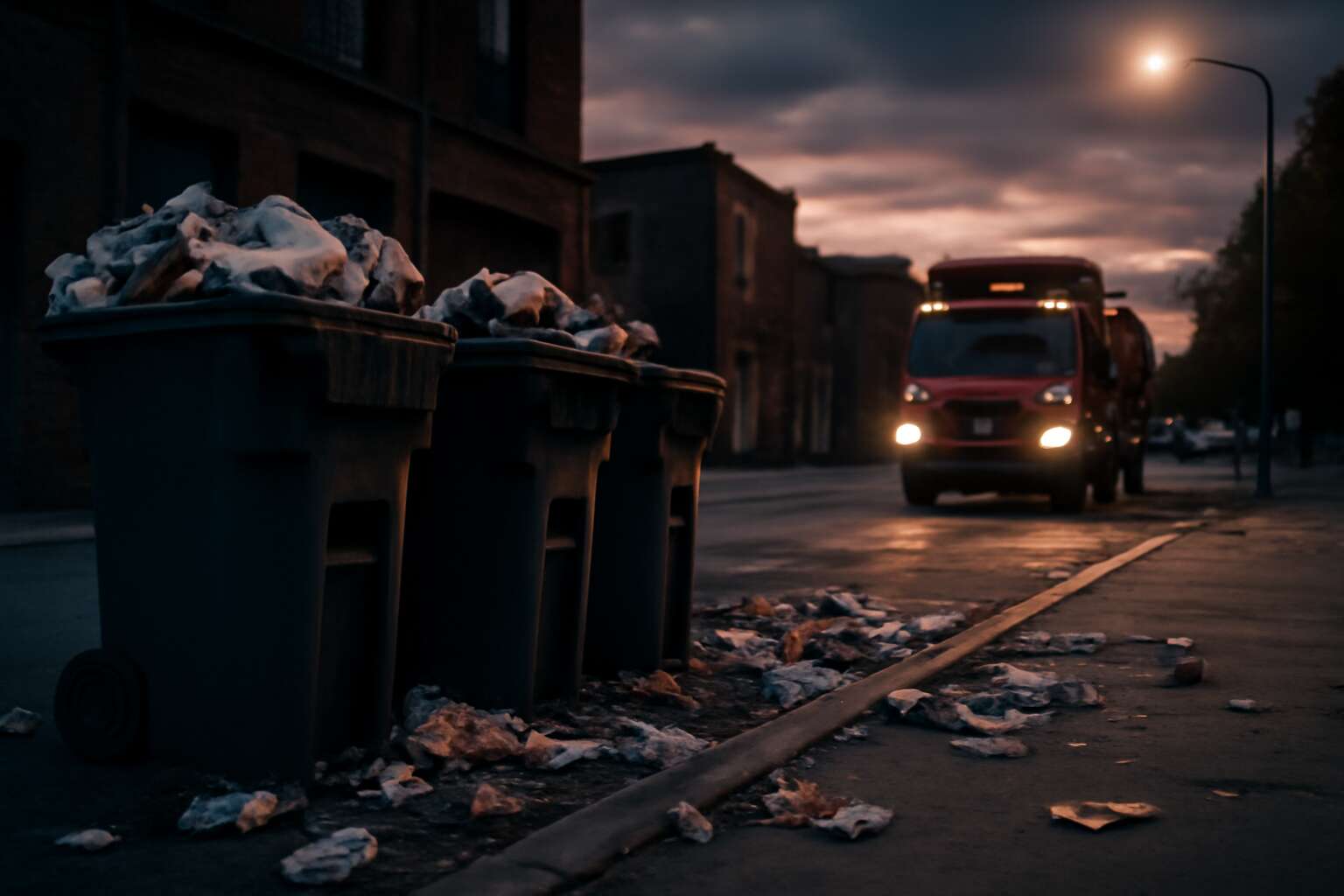
Waste management challenges: overview, operations, regulation, and technology
Understanding Waste Management Challenges
South Africa’s urban rhythm hinges on the cadence of bins and trucks. The phrase “waste removal problems” ripples through neighborhoods, revealing how systems cope with rising volumes, inconsistent schedules, and public expectations that refuse to wait.
Operations form waste management’s living core: routes, collection windows, and sorting lines must align, yet contamination, illegal dumping, and aging fleets complicate the day.
- coverage gaps in informal settlements
- contamination during sorting and at-source separation
- aging fleets and fuel costs
Regulation shapes how waste is managed: licensing, reporting, and evolving rules around extended producer responsibility reach. Municipal budgets wrestle with compliance while communities demand transparency and accountability.
Technology lights a path forward: sensors, route optimization, and data sharing offer clearer views of where to focus effort. Smart recycling initiatives turn waste into resource—an elegy that ends in opportunity.
Operational Hurdles in Waste Removal and Collection
The daily waste heartbeat of South Africa’s cities runs at about 1.2 kilograms per person, per day. It reveals resilience and strain in the system, and waste removal problems ripple through neighborhoods with every missed pickup or delayed truck.
Operations hinge on a precise choreography of routes, collection windows, and sorting lines. The reality is messier: dense urban corridors, shifting crew rosters, and the tug of informal settlements that challenge timetables.
- Variability in crew coverage
- Access limits on narrow streets
- Maintenance backlogs
Regulation draws the frame—licensing and reporting, with evolving rules around extended producer responsibility. Budgets wrestle with compliance while communities demand transparency and consistent service.
Technology lights a path: sensors, route optimization, and data sharing that illuminate where effort should land. Smart recycling initiatives convert waste into resource and stretch governance toward opportunity.
Regulatory, Environmental, and Community Impacts
In South Africa, 1.2 kilograms per person per day is the pulse of the city’s waste economy; from curb to corridor, it reveals resilience and strain, a chorus of waste removal problems that echoes through alleyways and apartments alike.
Operations hinge on a precise choreography of routes and collection windows, yet the reality remains messy: dense urban corridors, shifting rosters, and informal settlements that redraw timetables.
- Variability in crew coverage
- Access limits on narrow streets
- Maintenance backlogs
Regulation draws the frame—licensing, reporting, and evolving rules around extended producer responsibility. Budgets wrestle with compliance while communities demand transparency and consistent service.
Technology lights a path: sensors, route optimization, and data sharing that illuminate where effort should land. Smart recycling initiatives convert waste into resource and stretch governance toward opportunity. Regulatory, environmental, and community impacts ripple through policy and practice.
Strategies, Technologies, and Best Practices for Efficient Waste Removal
1.2 kilograms per person per day isn’t a statistic—it’s a city breathing, a pulse that exposes waste removal problems across South Africa’s urban core. The plural voices of waste tell a story of sidewalks and apartments, not just dumps.
In South Africa’s cities, waste streams are uneven and seasonal. Dense corridors, market belts, and informal settlements strain the system, revealing gaps between promise and practice. It’s the reality we live with daily.
Operational realities bite:
- Variability in crew coverage
- Access limits on narrow streets
- Maintenance backlogs
Regulation frames this work—licensing, reporting, and evolving extended producer responsibility. Budgets wrestle with compliance, while communities demand transparency and consistent service.
Technology offers a path forward—sensors, route optimization, and data sharing. Smart recycling turns waste into resource, and best practices emerge across municipalities, haulers, and communities.
0 Comments