
Waste Management Process Overview
Source Reduction and Prevention
‘Waste is a design flaw,’ a seasoned voice declares, and in South Africa’s vibrant cities that flaw is being rewritten. The waste removal process hinges on choices made long before trash is sorted—how products are sourced, how packaging behaves, and the willingness to pause disposal in favor of reuse!
Source reduction and prevention sit at the core of a resilient system. By prioritizing durable materials, redesigning packaging, and keeping resources in circulation, communities cut landfill pressure and invigorate local economies.
- Material selection that extends product life
- Packaging that prioritizes recyclability and minimalism
- Community awareness and stakeholder collaboration
Three guiding ideas quietly undergird the effort, weaving a sturdier fabric for the waste removal process as it moves through municipalities and businesses alike!
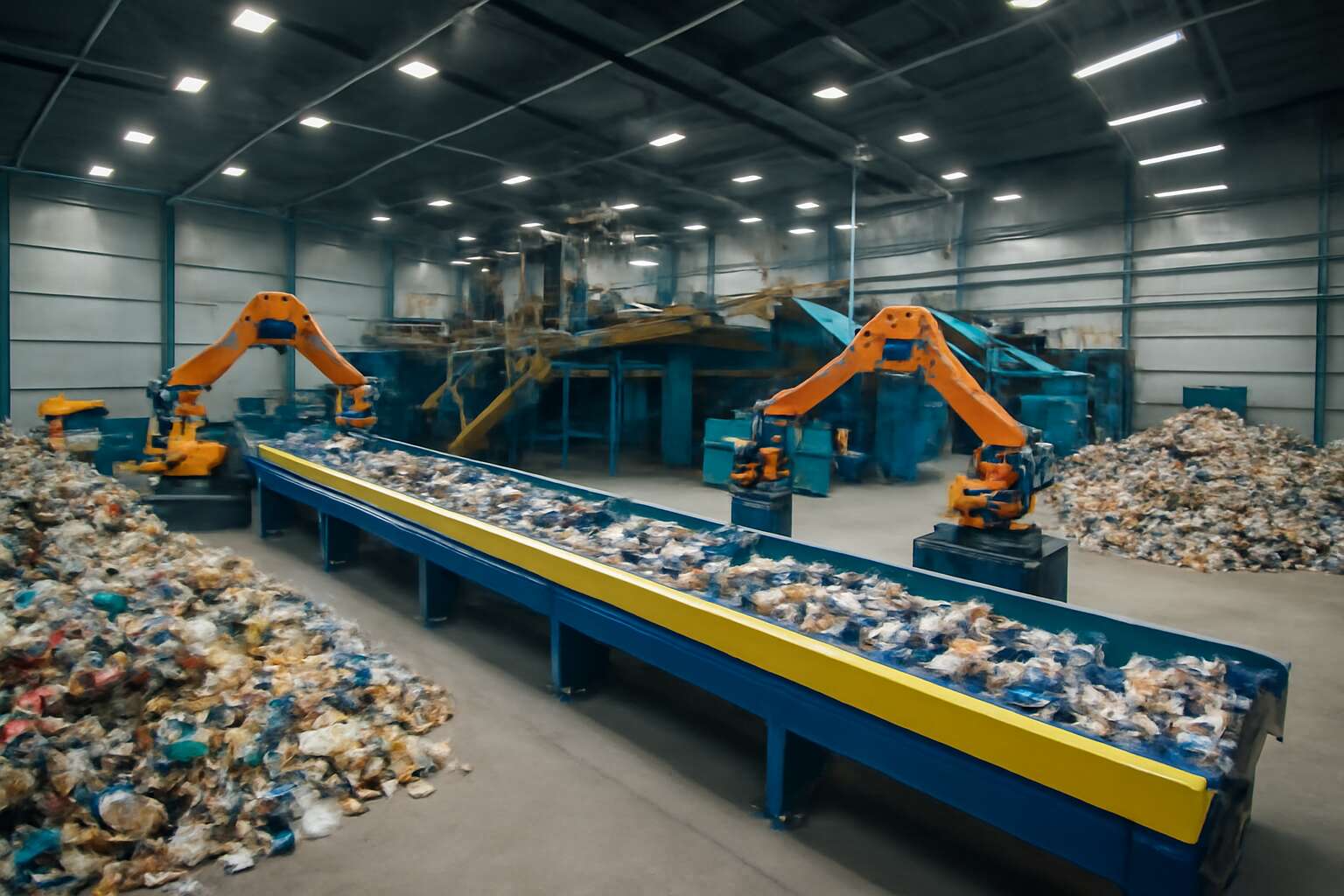
Waste Sorting and Recovery
Across South Africa’s bustling cities, the waste removal process feels like a quiet revolution—the kind that begins long before a bin is emptied. A startling 1.5 kilograms of waste per person per day reminds us that every preference, choice, and purchase echoes downstream. This is where the waste removal process starts to reveal its artistry: sorting, recovery, and reintegration into the rhythm of daily life.
Waste sorting and recovery carve order from the chaos of discarded matter. Recyclables, organics, and residuals are guided toward their second lives, while energy and materials reenter the economy as resources rather than refuse.
- Single-stream versus source-separated streams
- Mechanical and optical sorting technologies
- Processing for market-ready materials
In practice, this delicate choreography is powered by collaboration—from government and industry to communities—bringing beauty and pragmatism to a system that sustains itself. I’ve witnessed how careful sorting and thoughtful recovery can turn yesterday’s litter into tomorrow’s materials, nourishing both the environment and the local economy within South Africa’s vibrant landscape. The waste removal process thus becomes a story of renewal and resilience, a testament to what we choose to value and reuse.
Collection, Transport, and Handling
In South Africa’s busy neighborhoods, the waste removal process behaves like a discreet architect, drafting order from clutter. A daily 1.5 kilograms per person reminds us that choices ripple through the city’s veins.
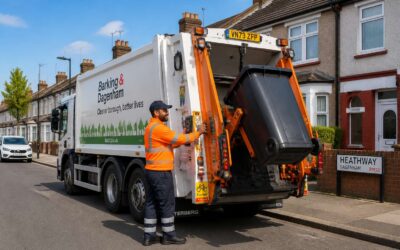
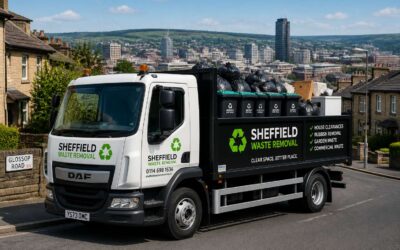
Collection sets the tempo; dawn patrols dignity with curbside pickups, transport knits the route into a lean, efficient thread, and handling protocols keep streets clean and data tidy.
- Residential and commercial collection schedules
- Transfer stations and route optimization
- Safe handling, spill prevention, and documentation
From doorstep to destiny, this choreography holds South Africa’s landscapes welcoming and its economy humming.
Treatment, Disposal, and Compliance
Amid South Africa’s bustling towns, the waste removal process begins where treatment redefines what is considered waste. This stage converts leftover matter into a phase where resources can be reclaimed or energy extracted, reducing the burden on landfills and extending city lifelines. It’s the quiet alchemy that turns daily refuse into potential, shaping a cleaner urban heartbeat.
Key treatment avenues include:
- Biological digestion and composting
- Material recovery and recycling streams
- Waste-to-energy and energy recovery
In disposal, controlled landfills cradle residues with liners, leachate controls, and constant monitoring to protect soil and waterways. Post-treatment residues are managed to minimize leakage and exposure. Compliance threads through every stage—licensing, inspections, and reporting under South Africa’s waste laws and local by-laws, keeping companies accountable and communities informed.
0 Comments